Water Queen Mother and Christian Husband Engage in Water Marriage Ritual
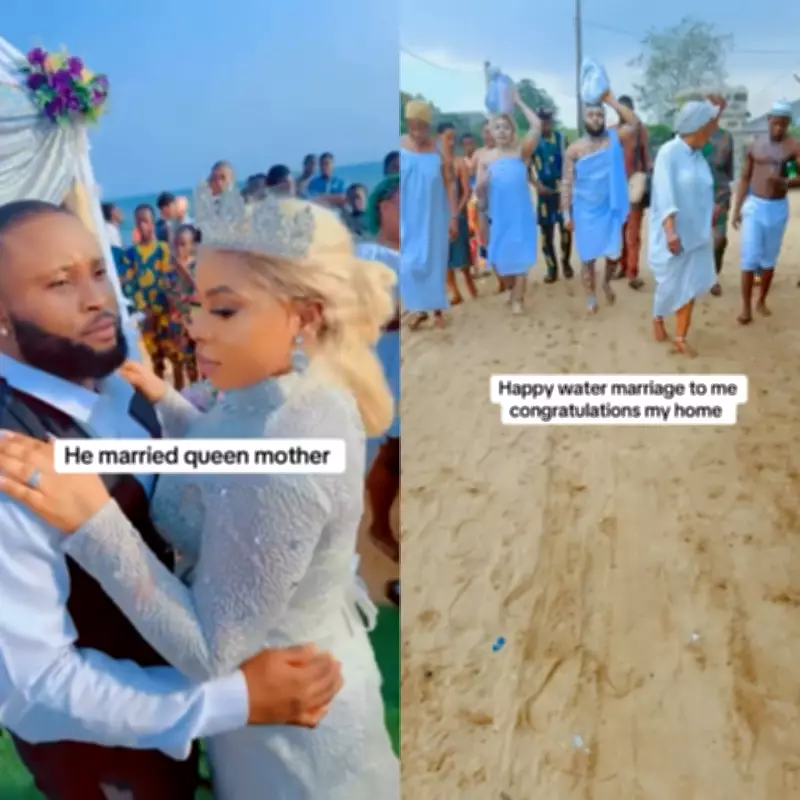
A recent video has surfaced showing the Water Queen Mother and her Christian husband participating in a unique water marriage ceremony. The ritual, which blends traditional elements with personal vows, has garnered attention for its unconventional nature and the couple's public commitment.
Vows of Mutual Consequences for Infidelity
During the ceremony, the Water Queen Mother made a striking declaration regarding fidelity. She stated, "If he cheats, he'll die. If I cheat too, I'll die." This vow underscores the seriousness with which both partners approach their marital bond, emphasizing mutual accountability and the potential spiritual or traditional consequences of betrayal.
Blending of Cultural and Religious Practices
The water marriage ritual highlights a fascinating intersection of cultural traditions and religious beliefs. As the Water Queen Mother, she represents a traditional or spiritual role, while her husband identifies as Christian. This union showcases how couples in Nigeria and beyond sometimes navigate and integrate diverse practices to honor their heritage and personal faiths.
The ceremony likely involves symbolic acts with water, which may signify purification, unity, or blessings in various cultural contexts. Such rituals are often deeply rooted in local customs and can serve to strengthen marital ties in ways that resonate with the participants' identities.
Public Reaction and Broader Implications
The video has sparked discussions online about marriage, fidelity, and the blending of traditions in modern relationships. Key points of interest include:
- The public nature of the vow and its implications for the couple's relationship dynamics.
- How such rituals reflect broader trends in cultural preservation and adaptation.
- The role of social media in sharing and interpreting traditional practices.
This event serves as a reminder of the diverse ways in which love and commitment are expressed across different communities. It also raises questions about the balance between personal beliefs and shared traditions in marital ceremonies.