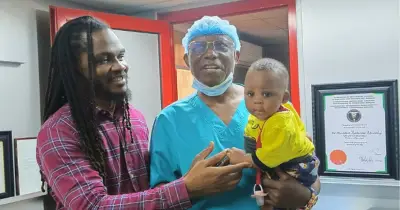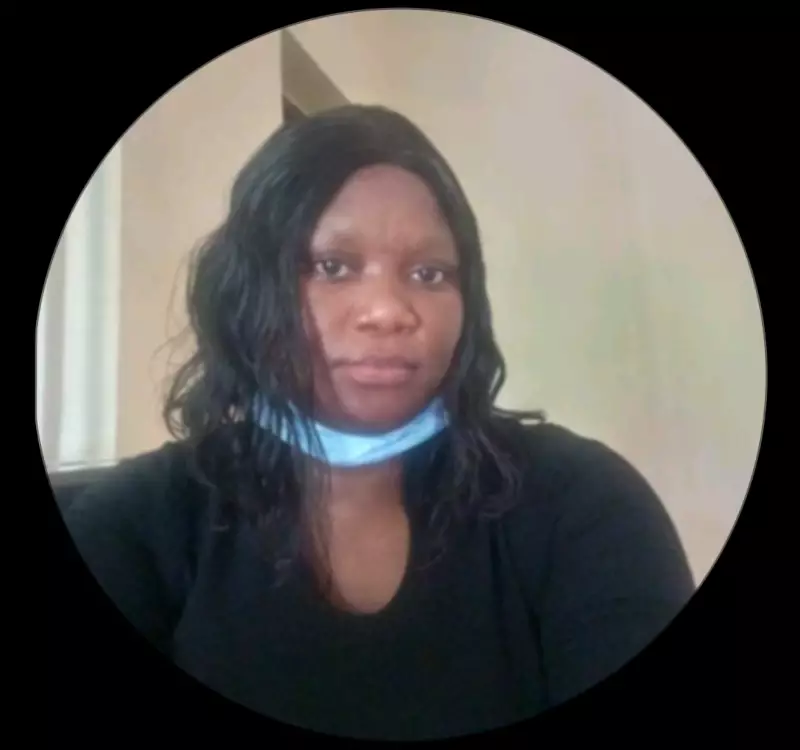
The medical community in Plateau State is in mourning following the tragic loss of a dedicated healthcare professional to Lassa fever. Dr. Salome Oboyi, a Senior Resident in the Department of Obstetrics and Gynaecology at Bingham University Teaching Hospital (BHUTH) in Jos, has passed away after a valiant struggle against the infectious disease.
Details of the Tragic Incident
Dr. Oboyi succumbed to Lassa fever two days ago, as confirmed by the Bingham University Alumni Doctors in an official statement released on Monday, February 2, 2026. The announcement was made via their verified X account, expressing profound grief and solidarity with the hospital staff and her family.
Official Statement from Bingham University Alumni
The statement from the alumni group read, "The entire BHUTH mourns. It is with a very heavy heart I announce the passing of a dearest colleague, Dr. Salome Oboyi, a Senior Resident in the department of Obstetrics and Gynaecology in BHUTH whose sad event happened 2 days ago following a battle with Lassa fever." This heartfelt message underscores the deep impact of her loss on the medical fraternity and highlights the ongoing risks faced by healthcare workers in Nigeria.
Context and Implications for Healthcare
Lassa fever, a viral hemorrhagic illness endemic in parts of West Africa, including Nigeria, continues to pose significant public health challenges. The death of Dr. Oboyi serves as a stark reminder of the vulnerabilities within the healthcare system, particularly for frontline medical personnel who are often exposed to infectious diseases in the line of duty.
This incident raises concerns about:
- Occupational Safety: The need for enhanced protective measures and training for healthcare workers handling infectious cases.
- Public Awareness: Increased efforts to educate communities on prevention and early detection of Lassa fever.
- Healthcare Infrastructure: Potential gaps in resources and support systems for treating such diseases in Plateau State and beyond.
As the community grieves, this loss may prompt renewed calls for improved disease surveillance and response mechanisms to prevent similar tragedies in the future. The dedication of professionals like Dr. Oboyi underscores the critical role of medical staff in safeguarding public health, even at great personal risk.