Bitter Kola Antivenom Claims: Scientific Reality Versus Popular Belief
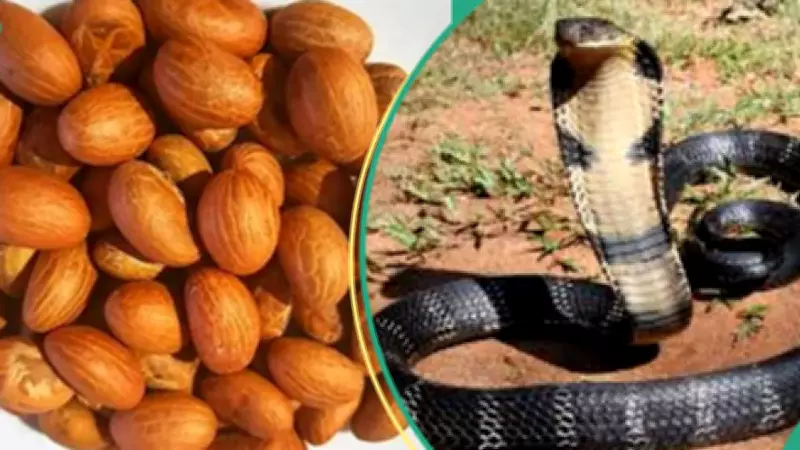
Recent viral claims on social media platforms, particularly WhatsApp, have suggested that bitter kola possesses potent antivenom properties capable of neutralizing snake and scorpion venom. These assertions have gained traction following the tragic death of upcoming musician Ifunanya Lucy Nwangene, who succumbed to snake bites in the Federal Capital Territory (FCT) over the weekend. The incident has sparked renewed discussions about traditional remedies and their efficacy in emergency medical situations.
The Viral Claim and Its Circulation
A WhatsApp message circulating widely asserts that consuming bitter kola can neutralize snake and scorpion venom within minutes. The message further claims that powdered bitter kola applied to floors can kill snakes instantly upon contact and serves as an effective repellent. This information has been shared extensively across Nigerian digital communities, prompting concerns about potentially dangerous medical advice being disseminated without proper verification.
Scientific Perspective on Bitter Kola's Properties
Conservation biologist and ornithologist Mrs. Nanchin Winifred Kazeh provides crucial insights into bitter kola's actual properties. According to Kazeh, scientific research has confirmed that bitter kola functions as an effective snake repellent, creating an eco-friendly barrier that deters snakes without harming them. The distinctive smell emitted by bitter kola can repel snakes from a radius of approximately one mile away, making it a valuable tool for snake prevention in residential areas.
However, Kazeh emphasizes a critical distinction: while bitter kola demonstrates repellent qualities, there exists no scientific evidence supporting its effectiveness as an antivenom for neutralizing snake venom once a bite has occurred. This clarification is vital for public health awareness, as relying on unproven remedies could delay proper medical treatment with potentially fatal consequences.
Understanding Antivenom Production and Application
Fact-checking platform Dubawa explains the sophisticated process behind genuine antivenom production. Modern antivenoms are created through immunization processes where horses or sheep are injected with specific snake venoms. The blood serum from these animals is then processed to extract antibodies capable of neutralizing venom effects. These antivenoms fall into two categories:
- Monospecific antivenoms designed to treat bites from particular snake species
- Polyspecific antivenoms developed to address bites from multiple snake species within specific geographic regions
This scientific approach contrasts sharply with the unverified claims about bitter kola's antivenom properties, highlighting the complexity of venom neutralization that requires specialized medical intervention.
Tragic Case Highlights Urgency of Proper Treatment
The death of musician Ifunanya Lucy Nwangene underscores the critical importance of seeking immediate medical attention following snake bites. Hospital authorities at the Federal Medical Centre Abuja confirmed that Nwangene received prompt care upon admission, with medical teams implementing advanced interventions and resuscitation efforts. Despite these measures, her condition deteriorated tragically, demonstrating the unpredictable nature of venom effects and the necessity of professional medical response.
Hospital management has explicitly denied claims of antivenom shortages during Nwangene's treatment, emphasizing their commitment to providing comprehensive emergency care for snakebite victims. This clarification addresses circulating rumors while reinforcing the importance of institutional medical response over unverified traditional remedies.
Community Observations and Public Response
Following Nwangene's death, community members have shared observations about her residence and family circumstances. Neighbors living in proximity to the late musician have provided insights that have sparked public discussion and mourning across social media platforms. These personal accounts have contributed to broader conversations about snake safety, residential precautions, and the emotional impact of sudden tragedies within Nigerian communities.
Essential Recommendations for Snakebite Response
Based on expert analysis and medical guidance, several crucial recommendations emerge for addressing snakebite incidents:
- Seek immediate medical attention without delay following any snakebite
- Recognize that bitter kola may serve as a preventive repellent but cannot substitute for professional antivenom treatment
- Maintain awareness that different snake species require specific antivenom formulations
- Implement preventive measures including environmental management and professional pest control where necessary
The distinction between preventive measures and treatment interventions remains paramount for public safety. While traditional knowledge about bitter kola's repellent properties has scientific backing, its promotion as an antivenom represents dangerous misinformation that could compromise health outcomes during emergencies.
This comprehensive analysis underscores the importance of evidence-based medical approaches while acknowledging the value of scientifically verified traditional practices. As Nigeria continues to navigate intersections between traditional knowledge and modern medicine, clear communication about limitations and applications becomes increasingly vital for public health protection.