A leading cultural curator has issued a powerful call to action, urging Nigeria to take immediate steps to preserve its artistic and cultural history before it is lost forever. Ms Esther Oladimeji, the Curator of the Hakeem Shitta Photo and Cultural Archive (HSPACA), emphasized that systematic documentation is not a luxury but a critical pillar for the nation's memory, identity, and standing on the world stage.
The Living Record of a Pre-Digital Nigeria
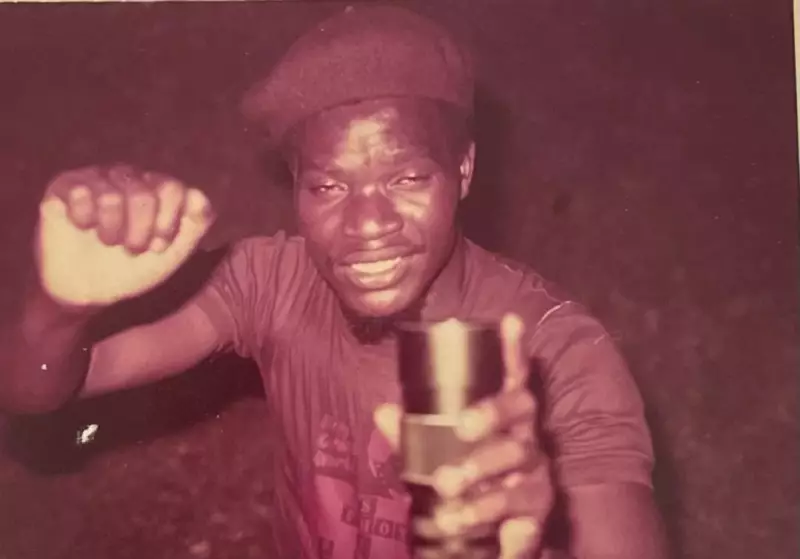
In a recent discussion, Oladimeji shed light on the immense historical value of the HSPACA, which serves as a unique visual chronicle of Nigeria's cultural, political, and social landscape from 1981 to 1995. She described the late Hakeem Shitta as a multifaceted pioneer—an artist, photojournalist, and cultural archivist whose work began long before the era of digital media and social platforms.
"Between 1981 and 1995, Hakeem Shitta meticulously documented Nigeria's cultural evolution. His archive is a living record of who we were before the age of social media," Oladimeji stated. This body of work captures a pivotal period of Nigeria's artistic renaissance and significant political transitions, offering an irreplaceable window into the past.
A Treasure Trove of Creative History
The scope of the archive is staggering in its detail and breadth. It comprehensively covers:
- 180 theatre productions
- 81 concerts
- 67 exhibitions
- 326 human-interest situations, including festivals, regattas, everyday street life, and visual documentation of the critical 1993 presidential election period.
Oladimeji stressed that the HSPACA is far more than a collection of "old photos." It is a foundational element of Nigeria's creative memory, housing over 6,000 images of the nation's poets, actors, dramatists, visual artists, dancers, filmmakers, essayists, and journalists. The archive tracks the evolution of these intellectuals and artists over decades, from their educational backgrounds to their breakthrough moments.
An Irreplaceable National Treasure
On the subject of theatre and performance, Oladimeji highlighted that Shitta's work preserved defining moments at the National Theatre and other major stages, saving productions that might otherwise have vanished from public memory. Notable works documented include Wole Soyinka's Kongi's Harvest, The Lion and the Jewel, and The Trials of Brother Jero, as well as Ola Rotimi's Kurunmi and The Gods Are Not to Blame.
Describing the HSPACA as an irreplaceable national treasure that exists nowhere else in the world, Oladimeji issued a direct appeal for collaboration. She called on federal and state ministries of arts and culture, alongside scholars and researchers both within Nigeria and internationally, to network with and support the archive's mission.
"This is a vast library documenting every stage of evolution for Nigeria's most accomplished creative minds," she said, underscoring the urgent need for institutional support to ensure this crucial piece of national heritage is protected for future generations.