Nigerian Pastor Issues Strong Warning Against Christian-Muslim Marriages
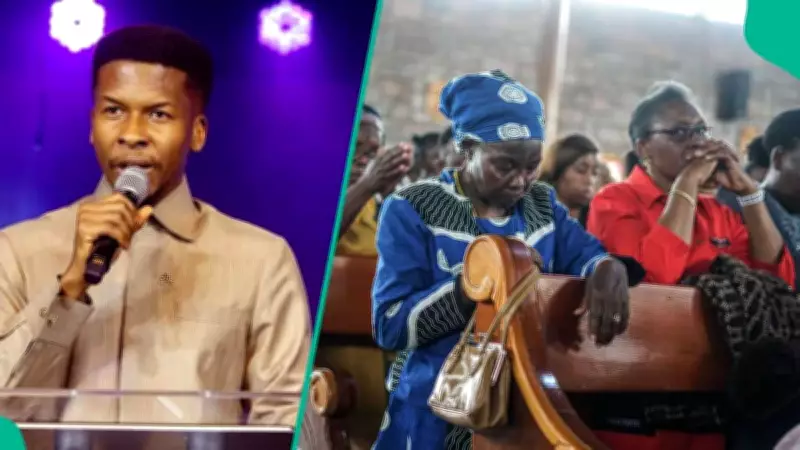
Celebration Church International founder and Lead Pastor Emmanuel Iren has delivered a firm caution to Christian women considering marriage with Muslim men, emphasizing that shared faith in Christ must take precedence over romantic compatibility or emotional fulfillment in marital decisions.
Church Session Question Sparks Viral Discussion
Pastor Iren made his remarks during a church session while responding to a question from a female congregant, a video clip of which has since circulated widely across social media platforms. The woman described being in a year-long relationship with a Muslim man who she said supported her Christian beliefs and was not deeply committed to Islam.
The woman explained: "My partner encourages my spiritual growth and possesses many qualities I value for marriage. However, my parents strongly oppose Muslims, and my upbringing in a broken home makes me cautious about entering a marriage where faith differences could later create conflict." She directly asked the pastor whether she should terminate the relationship.
Biblical Principles and Divine Standards
In his response, Pastor Iren stressed that marriage represents a divine institution that must adhere to biblical principles. Using what he termed a "shortlet" analogy, he argued that one cannot enter a designed space and attempt to redesign it according to personal preferences.
"Let me remind you of the shortlet example," Pastor Iren stated. "You don't go into a shortlet and try to change the design. It is God who designed it... God's standard is clear: do not be unequally yoked together with unbelievers."
Abuja Marriage Experience Cited as Cautionary Tale
The pastor recounted the experience of a woman in Abuja who married a Muslim man who appeared supportive of her Christian faith during their courtship period. According to Pastor Iren, the situation changed dramatically after the wedding ceremony.
He detailed: "Shortly after marriage, the husband prohibited her from attending church services. Matters deteriorated further following the birth of their son, when the child was dedicated according to Islamic rites, given an Islamic name, and prevented from attending church with his mother."
Pastor Iren noted that while such outcomes may not occur in every interfaith marriage, the Abuja case illustrates potential risks. "Every single thing he said he would not do, he ultimately did," the pastor emphasized.
Reference to Islamic Concept Sparks Theological Discussion
While acknowledging that not all Muslim partners act with negative intentions, Pastor Iren referenced what he described as an Islamic concept called "Takiyah," which he claimed permits deception when it serves to propagate Islam.
"I'm not saying this applies in every situation," he clarified, "but there exists something called Takiyah in Islamic doctrine. According to this principle, Muslims are permitted to deceive others if they believe such deception will advance the cause of Islam."
Purpose Over Pleasure in Marital Decisions
Pastor Iren concluded his advice by urging the woman to prioritize Christian partners who share her fundamental faith, even if they don't meet all her personal preferences. He argued that homes built on spiritual purpose and shared religious values provide stronger foundations than those based primarily on romance or emotional satisfaction.
"Purpose is more important than pleasure," Pastor Iren declared. "Faith in Christ should represent the primary consideration when selecting a life partner, above compatibility or emotional fulfillment."
Contrasting Experiences in Interfaith Marriages
The pastor's warnings contrast with other reported experiences of Christian-Muslim unions in Nigeria. Earlier reports documented a Christian woman who has successfully navigated her four-year marriage to a Muslim husband, with video evidence showing the couple worshipping together in church.
This couple's experience, shared on social media platform X, generated significant discussion about the possibilities and challenges of interfaith marriages in Nigeria's religiously diverse society.