OPM Pastor Observes Behavioral Change in Autistic Son Following Marriage
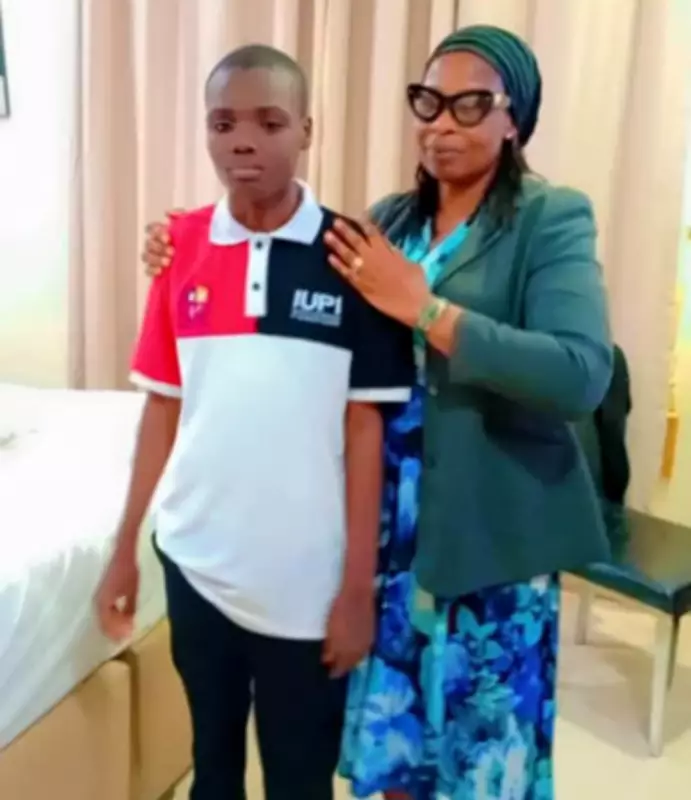
Pastor Chibuzor Gift Chinyere, the founder of Omega Power Ministries (OPM), has publicly disclosed a notable transformation in the behavior of his adopted autistic son, Aboy Chibuzor, just one day after his marriage. The pastor shared this update alongside a photograph of Aboy with his wife, highlighting what he described as a significant shift in demeanor.
Details of the Reported Change
According to Pastor Chibuzor, Aboy, who was married off to an older woman due to his uncontrollable sexual urges, has shown remarkable improvements. The pastor noted that Aboy is now feeding himself independently and appears much calmer than before. In a social media post, Pastor Chibuzor wrote, "First time am seeing him calm and not opening his whole teeth," indicating a reduction in what he perceived as agitated behavior.
The marriage was arranged as a solution to manage Aboy's sexual impulses, with the pastor previously explaining that communication with Aboy was challenging because he does not comprehend spoken language. This context adds a layer of complexity to the situation, as it raises questions about the methods used to address his needs.
Social Media Reactions and Ethical Concerns
The announcement has ignited a heated debate on social media platforms, with many users expressing deep concerns. Critics argue that Aboy, being mentally unfit and unable to give informed consent, should not have been married off. They point out that his condition impairs his ability to understand the implications of marriage, making the arrangement potentially exploitative.
Some commenters have suggested that the observed calmness might indicate maturity or a positive adjustment, but others worry that it could mask underlying issues or coercion. The ethical dilemma centers on whether marriage is an appropriate intervention for someone with autism and severe communication barriers, especially when consent cannot be verified.
Broader Implications and Ongoing Discussion
This incident sheds light on broader issues related to disability rights, consent, and cultural practices in Nigeria. It prompts a necessary conversation about how society supports individuals with autism and other mental health conditions, ensuring their rights and dignity are upheld.
As the story continues to circulate online, it remains a focal point for discussions on ethical care and the responsibilities of caregivers and religious leaders. The outcome of this debate could influence public perception and policies regarding vulnerable populations in the future.