In the name of the Almighty, the Beneficent, the Merciful. The Quran states: "That they might witness that which are of benefit to them and remember the name of the Almighty on the appointed days, over the beast of cattle that He has provided for them (for sacrifice)." (Quran 22:28)
Significance of Dhul-Hijjah's First Ten Days
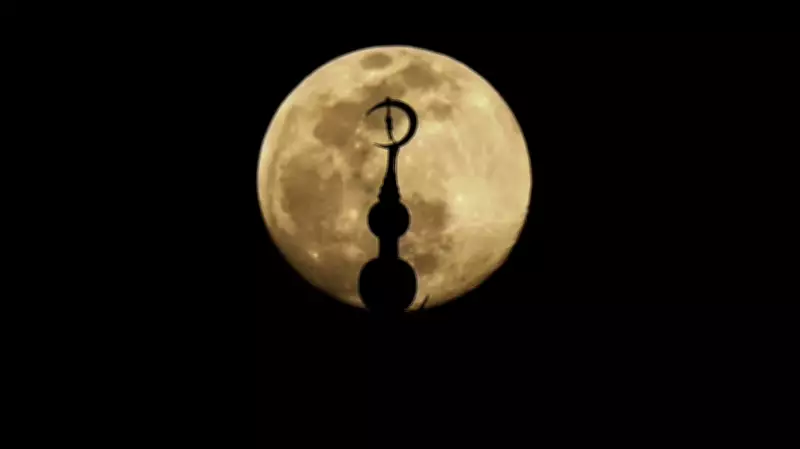
The belief that Dhul Hijjah, the 12th month of the lunar calendar, will begin on Monday, May 18, 2026, is strong based on calculations that the 11th month, Dhul Qadah, will end on Sunday, May 17. This sermon focuses on the importance and virtues of the first ten days of Dhul-Hijjah. These days are among the most sacred in the Islamic calendar, offering immense reward, forgiveness, and spiritual renewal. They provide an opportunity to grow closer to Allah through prayer, fasting, dhikr, and charity.
Prophetic Teachings on the Virtues
Numerous reports from the Prophet Muhammad (SAW) underscore their importance. He said: "There are no days in which righteous deeds are more beloved to the Almighty than these ten days." When his companions asked if even jihad for the sake of Allah was comparable, he replied: "Not even jihad for the sake of the Almighty, except in the case of a man who went out to fight giving himself and his wealth up for the cause, and came back with nothing." He also said: "There are no days that are greater in the sight of Almighty and in which righteous deeds are more beloved to Him than these ten days, so, during this time, recite a great deal of Tahleel (glorifications of the Almighty)."
Acts of Worship During These Days
One of the virtuous acts of worship expected of every Muslim during the first ten days of Dhul Hijjah is remembrance of the Almighty through constant chanting of His name with full concentration and contemplation. The justification is that every utterance of glorification brings great reward in this life and the hereafter.
Rituals for Those Not on Hajj
For Muslims not on Hajj who intend to sacrifice an animal on Eid al-Adha, certain rituals are required, including abstaining from cutting hair and nails until after the sacrifice. The Prophet said: "When you see the new moon of Dhul-Hijjah, if any one of you wants to offer a sacrifice, then he should not cut his hair and nails until he has offered his sacrifice." Scholars like Imam al-Shafi, al-Nawawi, and al-Suyuti have explored different perspectives. Some suggest the prohibition is to enter a spiritual state similar to Hajj, while others emphasize obedience to the Prophet's commands. This ruling applies to all Muslims regardless of gender. If a believer cuts hair or nails before deciding to sacrifice, the prohibition becomes effective from the moment of decision.
Fasting During the First Nine Days
It is highly recommended for believers to fast during the first nine days, especially for those not performing Hajj. The Prophet used to fast on the ninth of Dhul-Hijjah. Hunaydah ibn Khaalid reported that some of the Prophet's wives said: "The Prophet used to fast on the ninth of Dhul-Hijjah, on the day of 'Ashura', on three days of each month, and on the first two Mondays and Thursdays of each month." If unable to fast all nine days, one should at least fast on the ninth day, the Day of Arafat. The Prophet said: "Abu Qataday relates: The Prophet was asked about observing fasting on the day of Arafat. He said: It atones for the sins of the preceding year and the subsequent year." (Muslim). Aishah (RA) also narrated that the Prophet said: "Allah does not relieve more people from the chastisement of the fire on any day than on the day of Arafat." (Muslim).
Charity and Benevolence
All acts of worship are more likely to be accepted when accompanied by benevolence, remembering the poor and needy, and putting smiles on faces. The days of Hajj remind us that the real meaning of Islam lies in adding value to people's lives.
Sacred Month of Peace
Dhul Hijjah is among the four sacred months (including Dhul Qadah, Muharram, and Rajab) during which warfare is prohibited. Muslims are encouraged to engage in lawful activities and shun rebellion and aggression.