Eid al-Fitr Celebrations Across Nigeria: A Tapestry of Faith and Culture
Eid al-Fitr stands as one of the most significant celebrations for Muslims in Nigeria, marking the conclusion of Ramadan, a sacred month dedicated to fasting, prayer, and deep reflection. This joyous occasion is observed nationwide through communal prayers, festive meals, family reunions, and acts of generosity. While the core religious rituals remain consistent, the manner of celebration beautifully showcases Nigeria's rich cultural diversity, with each region adding its unique flair to the festivities.
Eid Prayers and Morning Traditions
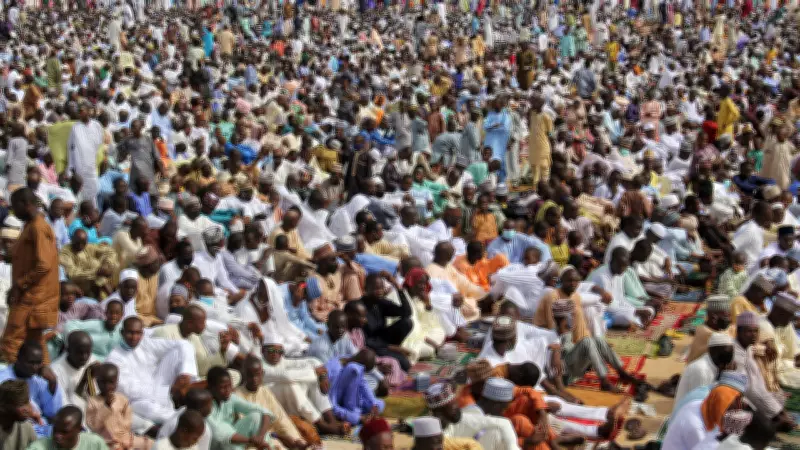
The day commences early as Muslims prepare for the special Eid prayer. Before departing for worship, individuals typically take a ritual bath, don clean or new attire, and consume a light meal such as dates or simple dishes to signify the end of fasting. Large congregational prayers are conducted in mosques or open fields, drawing thousands of worshippers who gather in a serene yet joyful atmosphere. After the prayer, sermons emphasize themes of gratitude, unity, and compassion, reinforcing the spiritual lessons of Ramadan.
Northern Nigeria: Durbar Festivals and Lavish Feasts
In Northern Nigeria, Eid is commonly known as Sallah and is celebrated with grandeur. A highlight is the Durbar festival, particularly in cities like Kano, Katsina, and Zaria, featuring vibrant horse parades where emirs and traditional leaders, adorned in royal regalia, lead processions of skilled riders. This cultural spectacle attracts massive crowds and serves as a historical display. Food plays a central role, with families preparing abundant meals to share with guests, neighbors, and the less fortunate, embodying the spirit of community.
South-West Nigeria: Family Visits and Local Delicacies
In South-West Nigeria, Eid al-Fitr is often referred to as Itunu Awe, with celebrations centered on family gatherings and community bonding. Post-prayer activities include visiting relatives and neighbors, where children commonly receive gifts or money, known as Owo Odun. Households prepare a blend of traditional and contemporary dishes to entertain guests throughout the day, fostering a warm and inclusive environment.
South-East and South-South Nigeria: Vibrant Community Gatherings
In the South-East and South-South regions, where Muslim populations are smaller, Eid is celebrated within tight-knit communities. Muslims assemble for prayers in central mosques before returning home to rejoice with family and friends. In many instances, celebrations extend to non-Muslim neighbors, promoting unity and coexistence. Food remains a key element, with dishes like rice, stews, and local soups being served to enhance the festive spirit.
Acts of Charity and Sharing
A cornerstone of Eid across Nigeria is the emphasis on sharing and charity. Many families prepare extra food to distribute to neighbors, friends, and those in need. Prior to Eid, Muslims fulfill Zakat al-Fitr, a charitable obligation ensuring everyone can partake in the celebration. Mosques and communities often organize food distributions and feeding programs for the less privileged, reflecting the core Ramadan lesson of caring for others.
Fashion and Social Festivities
Eid is also a time for sartorial elegance, with new clothes being customary, especially for excited children. Social activities span the day, including visits to friends and extended family, hosting guests, photography sessions, and attending small gatherings or outings. In urban areas, some individuals celebrate by dining at restaurants or visiting recreational centers, adding a modern touch to the traditions.
A Celebration of Faith and Unity
Despite regional variations in culture and cuisine, the essence of Eid al-Fitr remains unwavering across Nigeria. It is a day of gratitude, joy, and reflection following a month of spiritual discipline, bringing families together and highlighting the importance of generosity and kindness. This celebration not only strengthens faith but also fosters a sense of national unity through shared traditions.