Parallel Eid Celebrations in Kano Highlight Emirate Tensions
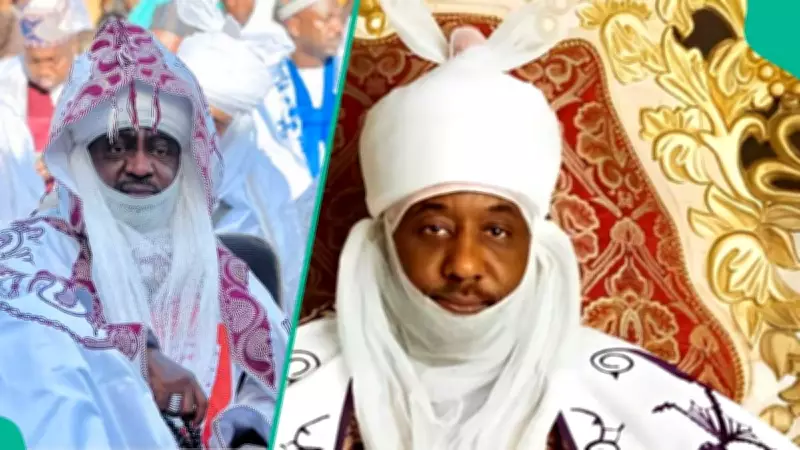
The ancient city of Kano witnessed a dramatic display of parallel authority during Eid Al Fitr celebrations as two prominent figures held separate Sallah events, underscoring deep-seated tensions within the traditional leadership structure. Emir Muhammadu Sanusi II, the 16th Emir of Kano, led the main Eid prayers at the historic Kofar Mata Eid Ground on Friday, marking the end of Ramadan with significant modifications to traditional ceremonies.
Sanusi's Modified Hawan Idi Procession
In compliance with government restrictions on horse parades, Emir Sanusi departed from the long-standing durbar tradition by walking from the Gidan Rumfa palace to the prayer ground. The Hawan Idi procession followed designated routes as thousands of worshippers gathered to observe the religious leader. This marked a notable departure from the elaborate horse-mounted parades that have characterized Kano's Sallah celebrations for generations.
Governor Abba Kabir Yusuf and Secretary to the State Government Umar Farouk Ibrahim were present at Sanusi's prayers, lending official recognition to the event. However, Deputy Governor Aminu Abdussalam Gwarzo was conspicuously absent, reportedly observing Eid prayers alongside former governor Rabiu Musa Kwankwaso, suggesting political alignments within the state's leadership.
Bayero's Separate Gathering at Nasarawa Palace
In a parallel development that captured significant attention, the 15th Emir of Kano, Aminu Ado Bayero, conducted separate Eid prayers at his Nasarawa palace. The gathering attracted a substantial assembly of traditional title holders, Islamic scholars, and local residents, creating what observers described as a competing center of traditional authority within the same city.
During his address, Bayero expressed gratitude for the Ramadan period and called on citizens to embrace peaceful coexistence, unity, and respect for established laws. The separate celebration highlighted the ongoing complexities surrounding Kano's traditional leadership, with both figures maintaining significant followings within the community.
Security Measures and Public Response
Despite the unusual situation of parallel celebrations, security presence across Kano remained exceptionally high throughout the festivities. Authorities deployed personnel to maintain order and prevent potential conflicts between supporters of the different traditional leaders. Residents generally observed the Eid celebrations in a calm and festive atmosphere, though the underlying tensions were palpable to observers familiar with Kano's political landscape.
The peaceful nature of the celebrations was particularly noteworthy given the potential for conflict, with both traditional and government security forces working to ensure public safety during the religious observances.
Sanusi's Message of Unity and Economic Fairness
Following the prayers at Kofar Mata, Emir Sanusi addressed residents at Kofar Kwaru, expressing gratitude for the successful completion of Ramadan and urging the faithful to uphold the values cultivated during the holy month. The emir delivered a comprehensive message covering multiple aspects of community life.
Sanusi specifically called on young people to avoid violence and instead focus on education and skills development as pathways to personal and community advancement. He addressed economic concerns by advising traders against arbitrary price increases and urging fairness in business practices, while offering prayers for victims affected by recent market fires in the state.
The emir also commended Governor Yusuf for ongoing infrastructure projects and efforts to curb political thuggery, calling for continued public support for the administration's development initiatives.
Background: Pre-Eid Meeting Between Governor and Emir
The separate celebrations followed earlier developments that hinted at the unusual nature of this year's Sallah observances. On Wednesday, March 18, a delegation representing Governor Abba Kabir Yusuf held a private meeting with Emir Sanusi at the Gidan Rumfa palace, amid growing uncertainty about the fate of traditional Sallah Durbar celebrations.
The closed-door meeting occurred just hours after Sanusi had hosted senior government officials for an Iftar gathering. Governor's spokesperson Sanusi Bature Dawakin Tofa confirmed the meeting through social media channels, though specific details of the discussions were not made public.
This pre-Eid consultation between the governor and emir suggested coordinated efforts to manage the potentially volatile situation, with both traditional and government authorities seeking to maintain stability during the important religious celebrations.
Cultural Significance and Political Implications
The parallel Eid celebrations in Kano represent more than just religious observances—they reflect deeper political and cultural dynamics within one of Nigeria's most historically significant traditional institutions. The Sallah Durbar has long served as both a religious ceremony and a display of traditional authority, making this year's modified and divided celebrations particularly symbolic.
Observers noted that the situation highlights ongoing tensions within the Kano emirate system, with competing claims to traditional authority playing out in public religious ceremonies. The ability of both figures to draw significant followings suggests divided loyalties within the community that extend beyond religious observance into broader social and political affiliations.
As Kano residents return to normal routines following the Eid celebrations, the implications of these parallel observances will likely continue to influence discussions about traditional leadership, political alignment, and community cohesion in one of Nigeria's most populous and historically significant states.