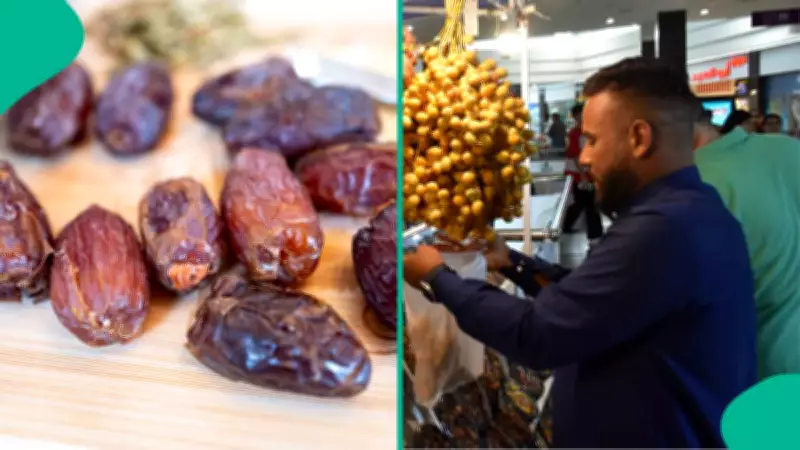
Ramadan 2026: The Spiritual and Scientific Benefits of Breaking Fast with Dates
The holy month of Ramadan, which commenced on February 18, 2026, in Nigeria following the crescent sighting confirmed by the Sultan of Sokoto, Muhammadu Sa'ad Abubakar, is a period of profound spiritual reflection and fasting from dawn to sunset. Central to this observance is the tradition of breaking the fast, known as Iftar, with dates, a practice deeply rooted in both religious teachings and modern nutritional science.
Historical and Spiritual Significance of Dates in Ramadan
According to Hadith literature, the Prophet Muhammad is reported to have broken his fast with ripe dates before offering prayers, establishing a tradition that has endured for centuries. This practice symbolizes devotion, gratitude, and nourishment, making dates more than just a symbolic food—they are a tangible connection to Islamic heritage. As Muslims worldwide prepare for 30 days of fasting, dates, also referred to as khajoor, remain an essential component of Iftar, embodying both faith and sustenance.
Nutritional Powerhouse: The Science Behind Dates
Medical science underscores the unique benefits of dates, which are rich in carbohydrates that provide quick energy after long hours of fasting. Experts explain that dates help suppress sugar cravings, control appetite, and ease hunger, making them an ideal choice for breaking the fast. A study published by the National Library of Medicine highlights that dates have a low to moderate glycaemic index, which aids in lowering blood glucose, improving insulin sensitivity, and reducing the risk of diabetes.
Furthermore, dates are packed with antioxidants such as flavonoids, carotenoids, and phenolic acids, which protect against oxidative stress, inflammation, and chronic diseases. Nutritionist Rujuta Diwekar emphasizes that dates improve haemoglobin levels, boost energy, and can aid in treating sleep disorders, fighting infections, and enhancing exercise performance. For women, dates are particularly beneficial during menstrual periods, as they help prevent midnight cramps and support overall health.
Health Benefits and Nutritional Profile
Health specialists report that dates are a powerhouse of nutrients, including fibre, potassium, magnesium, and vitamins. These elements support hydration, digestive health, and energy restoration after fasting. The simple sugars in dates are easily digestible, making them gentle on the stomach, while their antioxidant and anti-inflammatory compounds contribute to reducing inflammation in the body. Dates also play a role in weight management by reducing flab and providing sustained energy without spiking blood sugar levels.
Creative Ways to Incorporate Dates into Iftar
To maximize the benefits of dates during Ramadan, here are five popular methods of consumption:
- Dates Smoothie: Blend de-seeded dates with milk, cashews, and bananas for a refreshing and nutritious drink.
- Dates and Seeds Laddoo: Mix roasted trail seeds with warm dates, shape into balls, and enjoy as a healthy snack.
- Dates Pancake: Blend flour, milk, cardamom powder, and dates into a batter, cook, and serve with honey or maple syrup.
- Stuffed Dates: Fill dates with nuts or cream cheese for a quick and satisfying treat.
- Dates with Milk: Soak dates in warm milk and drink for a soothing end to the fast, promoting relaxation and hydration.
As Islamic scholar Uztas Nurudeen Ibrahim notes, Ramadan is a time for spiritual growth and community bonding, with dates serving as a bridge between tradition and modern health insights. Whether for their spiritual symbolism or their proven nutritional advantages, dates continue to be an indispensable part of Ramadan observances in 2026 and beyond.