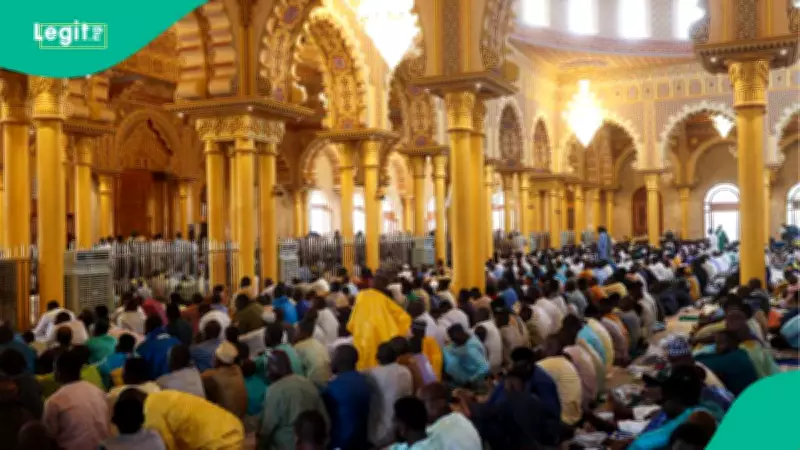
Ramadan 2026: Global Fasting Hours and Observance Times
The Muslim holy month of Ramadan is anticipated to commence on either February 18 or 19, 2026, contingent upon the official sighting of the crescent moon. This sacred period, spanning 29 to 30 days, involves fasting from dawn until dusk for Muslims across the globe. The duration of daily fasts will fluctuate significantly based on geographical location, ranging approximately from 12 to 15 hours each day.
Spiritual Significance and Historical Context
Ramadan holds profound spiritual importance as it commemorates the revelation of the first verses of the Quran to the Prophet Muhammad over 1,400 years ago. Observant Muslims engage in fasting, which entails abstaining from food, drink, smoking, and sexual relations during daylight hours. This practice is aimed at cultivating taqwa, or heightened consciousness and reverence for God, fostering personal reflection, prayer, and community solidarity.
Annual Shift in Ramadan Dates Explained
The timing of Ramadan advances by 10 to 12 days each year due to the Islamic calendar's adherence to the lunar Hijri system, where months consist of 29 or 30 days. This lunar year is approximately 11 days shorter than the solar Gregorian calendar, resulting in Ramadan migrating through the seasons. Notably, this cyclical pattern will lead to Ramadan occurring twice within the solar year 2030—initiating on January 5 and recommencing on December 26.
Global Variations in Fasting Hours
Fasting durations exhibit considerable disparity between the Northern and Southern Hemispheres. For the vast majority of the global population residing north of the equator, fasting hours in 2026 will be relatively shorter, typically around 12 to 13 hours at the onset of Ramadan. These hours will incrementally lengthen as the month progresses. Conversely, Muslims in southern regions such as Chile, New Zealand, and South Africa will experience longer fasts, approximately 14 to 15 hours initially, which will gradually decrease throughout the month.
Preparing for the Holy Month
Islamic scholars emphasize that spiritual preparation is crucial for maximizing the benefits of Ramadan. Beyond physical abstinence, Muslims are encouraged to:
- Renew their intentions (niyyah) to align actions with worship.
- Engage in increased prayer and Quranic recitation.
- Foster community bonds through charitable acts and shared meals at Suhoor (pre-dawn meal) and Iftar (evening meal to break the fast).
- Reflect on personal growth and ethical conduct.
This preparatory phase helps transform the month from mere ritual into a profound spiritual journey, enhancing taqwa and drawing individuals closer to Allah.
Ramadan 2026 underscores the rich diversity of Muslim observance worldwide, with varying fasting hours highlighting geographical differences while the shifting dates reflect the unique rhythm of the lunar calendar. As communities await the moon sighting, the focus remains on unity, devotion, and the shared experience of faith across continents.