Saudi Arabia Announces Official Date for Eid al-Fitr 2026
In a significant announcement for the global Muslim community, Saudi Arabia has confirmed that Eid al-Fitr in the year 2026 will be celebrated on Friday, March 20. This decision follows the official moon-sighting process conducted by authorities in the Kingdom.
Moon Sighting Results and Ramadan Completion
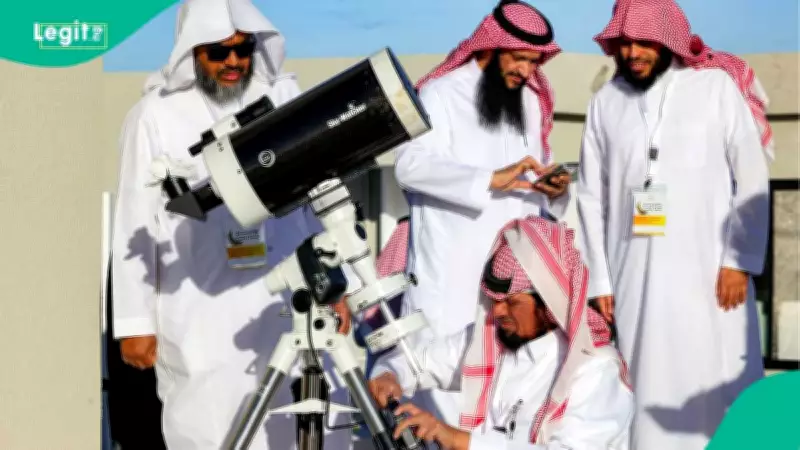
The Crescent Moon Committee in Saudi Arabia reported that the crescent of Shawwal 1447 in the Islamic calendar was not sighted anywhere within the Kingdom on the evening of March 19, 2026. As a result, the holy month of Ramadan will complete its full cycle of 30 days, concluding on Thursday, March 19. This extension aligns with Islamic traditions, which mandate that if the moon is not visible, Ramadan continues for an additional day.
The announcement, made public through official channels and social media platforms, has been widely disseminated to ensure clarity for Muslims preparing for the Eid festivities. Eid al-Fitr marks the end of Ramadan, a period of fasting, prayer, and reflection, and is one of the most important holidays in Islam.
Implications and Global Observance
With Saudi Arabia serving as a key reference for moon sightings due to its hosting of Islam's holiest sites, this declaration is expected to influence Eid celebrations in many countries around the world. Muslims globally often look to Saudi announcements to coordinate their observances, although local moon sightings may lead to variations in some regions.
The confirmation of March 20, 2026, as Eid al-Fitr allows for advanced planning of religious activities, family gatherings, and community events. Authorities have emphasized the importance of adhering to health and safety guidelines during the celebrations, reflecting ongoing considerations for public welfare.
This announcement underscores the meticulous process involved in determining Islamic dates, which rely on lunar cycles and physical sightings rather than fixed calendars. It highlights the blend of tradition and modern communication in facilitating global religious harmony.