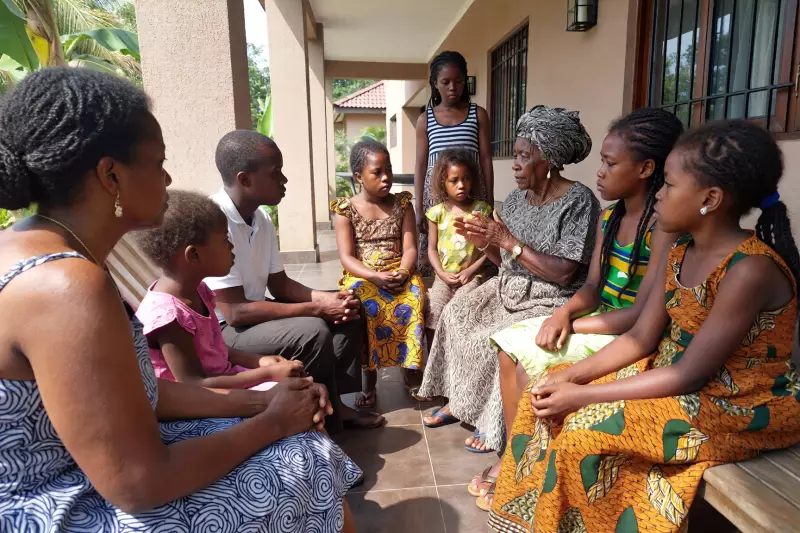
Nigerian family life is a vibrant tapestry woven from threads of communal living, deep interconnection, and shared responsibility. Based on extensive research and lived experience across the nation from Kano to Calabar, it's clear that family in Nigeria is the central pillar of society, extending far beyond the nuclear unit to include a vast network of relatives.
The Core of Nigerian Family Structure
The dominant feature across Nigeria's 371 ethnic groups is the extended family system. Daily life revolves around collective decision-making and shared duties. In this structure, children are considered the responsibility of the entire family, not just their parents. It's common to see a child being fed, disciplined, or helped with homework by an aunt, uncle, or even a more distant relative.
A typical household often includes grandparents, unmarried siblings, cousins, and sometimes individuals absorbed into the family without a clear biological link. This reflects cultural values that prioritize collective wellbeing over individual autonomy, as noted by the National Institute for Cultural Orientation.
Financial interdependence is a cornerstone. Successful family members are expected to support those struggling. A young banker in Lagos, for instance, might send ₦50,000 monthly for siblings' school fees, contribute ₦30,000 for parents' medical care, and help a cousin with ₦20,000 for business capital. This is viewed as a fundamental obligation, not optional charity.
Common Family Structures Across Nigeria
While the traditional extended family remains prevalent, especially in rural areas, urban migration is reshaping patterns.
The Traditional Extended Family sees multiple generations living together or in close proximity, with a patriarch or matriarch holding significant authority. Meals are communal, and hierarchy based on age is strictly observed.
Nuclear Families with Extended Connections are increasingly common among urban professionals. They may live separately but maintain strong ties, returning for festivals and contributing to family needs, creating a compromise between modern living and traditional obligations.
Polygamous Structures, while declining, remain legal and practised, particularly in northern Nigeria. Data from the National Bureau of Statistics indicates approximately 36.7 percent of married men in some regions have multiple wives. The economics are complex, with fathers often providing separate allowances and ensuring equal education for all children.
Other forms include Single-Parent Families, which are rising in urban centres and still heavily rely on extended kin, and Blended or Adopted Families, where children from other relatives are absorbed and raised as one's own.
Values, Economics, and Modern Pressures
The family system operates on an intricate network of obligations. Age-based hierarchy commands automatic respect, and major life decisions—from marriage to career moves—require family consultation. Traditional gender roles are strong but evolving under economic pressure, with women often balancing professional careers with primary domestic responsibilities.
The economic reality is intense. A middle-class professional's monthly budget must account for rent, children's school fees (which can reach ₦500,000 per term in Lagos), and substantial contributions to extended family needs. Major events like weddings can cost between ₦2 million and ₦20 million, requiring years of saving or borrowing.
Modern families face significant challenges: economic pressure with high inflation, urbanisation that strains traditional living arrangements, rising divorce rates, and generational clashes over values. Young Nigerians increasingly seek personal autonomy while navigating strong family expectations regarding careers, marriage, and financial support.
Despite these pressures, the system provides an unparalleled safety net. When a member faces a crisis like job loss or illness, the family mobilizes quickly, offering accommodation, job connections, and financial aid. This profound sense of belonging and mutual support remains the bedrock of Nigerian society, even as it adapts to contemporary realities.