Islam stands as one of Nigeria's predominant religions, representing a substantial segment of the nation's diverse population. In 2026, the landscape of Islamic leadership continues to evolve, with key figures exerting considerable influence across political, religious, and social spheres. This comprehensive profile highlights ten of the most impactful Muslim leaders in Nigeria, based on their media presence, ability to challenge norms, and inspire transformative change within communities.
Criteria for Selection and Methodology
The compilation of this list involved a balanced approach, ensuring representation across different eras and generations of Islamic leadership. While numerous preachers have made significant contributions, the selection focuses on those with notable contemporary influence as of 2026. The assessment considered factors such as public engagement, discourse generation, and societal impact, presenting these leaders in no particular order to acknowledge their diverse roles.
Profiles of Influential Islamic Leaders
The following individuals have been identified as key figures shaping Nigeria's Muslim community through their teachings, advocacy, and leadership.
- Sheikh Bala Lau: A prominent voice in Islamic education and community development.
- Sheikh Ibrahim Zakzaky: Known for his religious teachings and influence among followers.
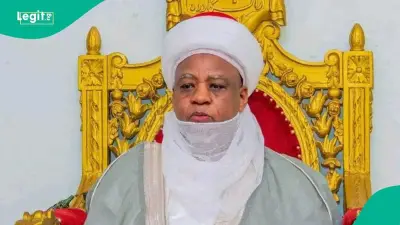
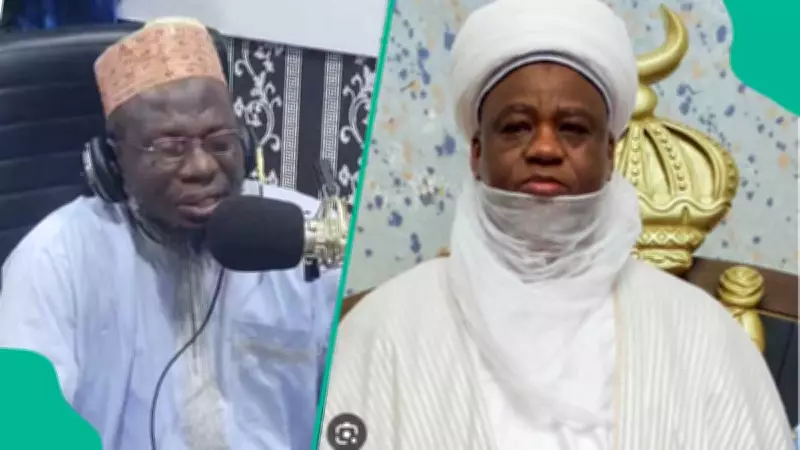
- Sultan of Sokoto, Muhammadu Sa'ad Abubakar: A central figure in Nigeria's Islamic hierarchy, bridging traditional and modern leadership.
- Sheikh Muhammad Habibullah Adam Abdullah El-ilory: Recognized for scholarly contributions and spiritual guidance.
- Sheikh Sharaf Gbadebo: Active in promoting Islamic principles and community engagement.
- Professor Ilyas Tochukwu Usman : Combines academic expertise with religious leadership.
- Sheikh Qaribullah Nasir Kabara: Influential in theological discourse and education.
- Sheikh Ahmad Gumi: A notable figure in contemporary Islamic dialogue and mediation efforts.
- Sheikh Abdul Rahman Ahmad: Engages in religious teachings and social advocacy.
- Sheikh Farooq Onikijipa: Contributes to Islamic propagation and community development initiatives.
Impact on Nigerian Society
These leaders play crucial roles in fostering unity, addressing social issues, and promoting Islamic values across Nigeria. Their influence extends beyond religious circles into political and cultural domains, reflecting the dynamic interplay between faith and national development. As Nigeria navigates various challenges, the guidance and perspectives offered by these Islamic figures remain significant in shaping public discourse and community resilience.
The continued relevance of these leaders underscores the importance of religious leadership in Nigeria's multifaceted society, highlighting how faith-based influence contributes to national cohesion and progress.