EduIntel Warns of Generational Literacy Collapse, Urges Public School Overhaul
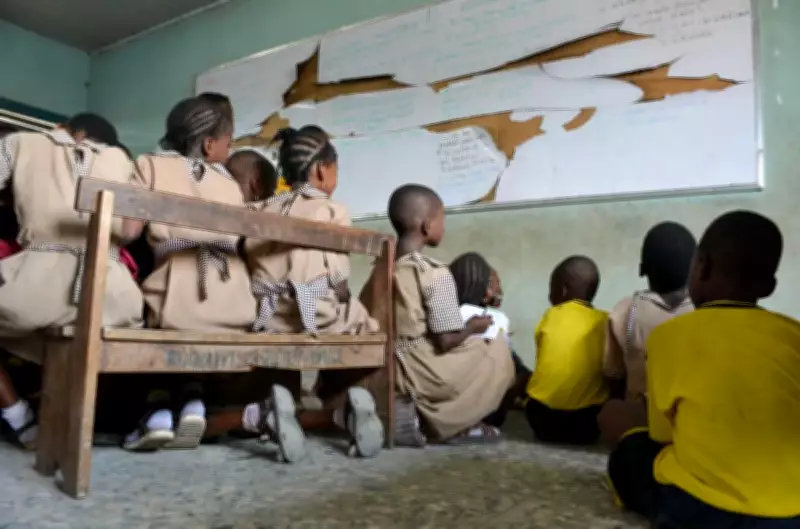
An education research group has issued a stark warning to state governors across Nigeria, calling for immediate structural reform of the public school system. The group cautions that the country is sleepwalking into a generational literacy crisis, with no credible policy response currently in sight.
Call for Action Amidst Failing System
EduIntel, an Ibadan-based education data and policy organisation, made this urgent appeal in a statement signed by its programme lead, Sodiq Alabi. Alabi argued that the centralised management of public schools by state and local governments has demonstrably failed, and that incremental adjustments will no longer suffice to address the deepening crisis.
"In Nigerian public schools today, whether or not a child learns to read, the system continues as before. Teachers are paid, officials are promoted, and tenures are almost for life. The child, left poorly educated, is the only party with nothing to fall back on and no voice in how the system is run," Alabi stated.
Alarming Data Highlights Literacy Crisis
The statement cited data from the 2024 Nigeria Demographic and Health Survey and UNICEF, which indicate that approximately three in four Nigerian children between the ages of seven and fourteen are unable to read a simple sentence. Alabi noted that the distribution of this failure closely tracks the country's poverty map, with the heaviest burden falling on states where parents cannot afford private education.
Proposal for Public Accountability School System
To address this crisis, EduIntel has put forward a proposal it calls the Public Accountability School System, or PASS. Published on its website, the PASS model proposes the transfer of day-to-day management of government schools from state bureaucracies to vetted non-profit trusts. These trusts would include community associations, alumni associations, faith-based bodies with established educational records, and other nongovernmental groups.
Schools under this framework would remain free and open to all pupils, with the trusts operating under binding performance contracts reviewed by an independent education inspectorate. "This is not a privatisation proposal," Alabi clarified. "The trusts would be legally barred from charging school fees or turning away any child. What we are changing is accountability. Today, a government school can fail for years or decades, and no one loses their position. Under PASS, a trust that fails to improve learning outcomes loses its contract to manage. Governments should not be directly running schools but should instead focus on regulating and funding the education of every child."
Historical Precedent and Call for Reckoning
The group pointed to Nigeria's own educational history as a precedent. Before the federal and state takeovers of the 1970s, many of the country's schools were managed by Christian and Muslim groups and community bodies under government subvention. EduIntel argues that this model produced better academic outcomes than what is obtainable in public schools today.
"State governments ought to recognise the futility of a system that either condemns children to a life of illiteracy or forces parents to spend money they do not have on private provision," Alabi said. "The Nigerian state took control of independent schools five decades ago and promised quality and inclusion in exchange. That promise has not been kept."
He added, "The children who paid the price are now adults raising children of their own inside the same broken system. It is time for a reckoning, and we are inviting anyone who agrees to join us in demanding it."