Children of Iranian Leaders Hold Academic Posts in US Universities, Sparking Debate
Children of Iran's ruling elite are quietly building careers at some of America's most prestigious universities, sparking anger among dissidents who see hypocrisy in their privileged lives abroad. While ordinary Iranians reportedly face repression and limited opportunities at home, the sons and daughters of regime figures are thriving in influential academic positions in the United States.
Critics argue this presence poses risks to American values, highlighting the contradiction between the regime's anti-Western rhetoric and the benefits enjoyed by its families overseas. The situation has raised questions about influence, fairness, and values, with no direct evidence of wrongdoing presented against those named, yet their roles in academia continue to fuel controversy.
Key Individuals and Their Positions
Here is a breakdown of the key individuals involved in this ongoing debate:
- Fatemeh Ardeshir-Larijani at Emory University: Daughter of Ali Larijani, she was a medical doctor at Emory University's Winship Institute in Atlanta. A cancer survivor, she originally came to the US for treatment. A petition with over 156,000 signatures called for her deportation, with critics noting the irony of her seeking care in a country her family's system condemns.
- Leila Khatami at Union College, New York: Daughter of former Iranian President Mohammad Khatami, she taught mathematics at Union College in Schenectady. Her profile was removed from the faculty page after recent US airstrikes against Iran, and a petition with more than 84,000 signatures urged investigation into her immigration status.
- Zahra Mohaghegh Damad at University of Illinois Urbana-Champaign: Daughter of Ayatollah Mostafa Mohaghegh Damad and niece of Ali Larijani, she is a professor in Nuclear, Plasma and Radiological Engineering, directing a unit that analyses risks in complex technological systems, including nuclear plants.
- Eissa Hashemi at Chicago School of Professional Psychology: Son of Masoumeh Ebtekar, an associate professor in Los Angeles. Ebtekar was a spokesperson during the 1979 US Embassy hostage crisis, nicknamed "Screaming Mary" by US media.
- Zeinab Hajjarian at University of Massachusetts Lowell: Daughter of Saeed Hajjarian, she is an assistant professor of biomedical engineering. Her father played a key role in Iran's intelligence apparatus after the 1979 revolution.
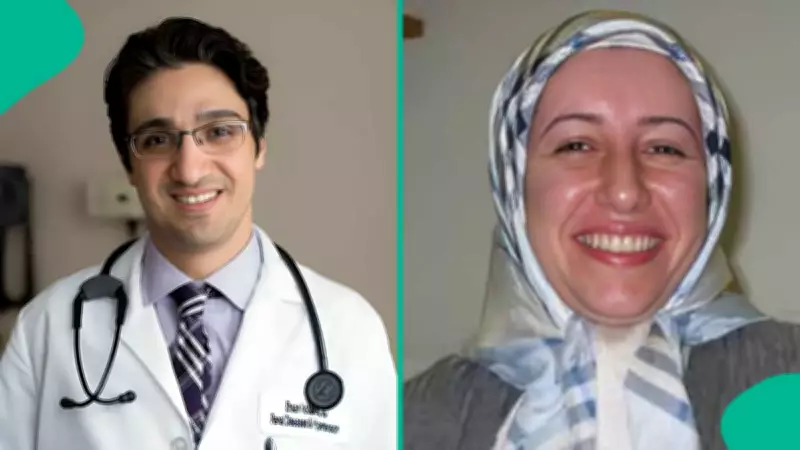
- Ehsan Nobakht at George Washington University: Son of Ali Nobakht, an associate professor specialising in kidney disease and hypertension. His father was a reformist physician and former deputy health minister in Iran.
Broader Implications and Criticisms
Known as Aghzadehs or "noble born," these children of regime elites are often allegedly resented by ordinary Iranians. Experts estimate between 4,000 and 5,000 relatives of Iranian leaders live in the US, with hundreds more in Canada and Australia. Critics argue that reformists and hardliners are part of the same power structure, and their presence in academia strengthens regime narratives while undermining American principles.
The debate extends beyond individual cases to broader geopolitical tensions. For instance, Israel imposed sweeping emergency measures in March 2026 after Tehran launched missiles in retaliation for a joint U.S.-Israeli strike, highlighting the volatile context in which these academic positions exist. Public gatherings were banned, schools and workplaces closed, and hospital patients moved to underground facilities during this period.
Ultimately, the presence of these individuals in US universities continues to spark discussions about hypocrisy, influence, and the intersection of politics and education on a global scale.