Kaduna State Unveils Education Reform with Life Skills and Gender Policies
The Kaduna State government has announced a significant educational reform, incorporating life skills and comprehensive gender policies into its school curriculum and budget. This initiative aims to enhance girls' education and productivity, addressing long-standing barriers in the region.
Empowering Girls Beyond the Classroom
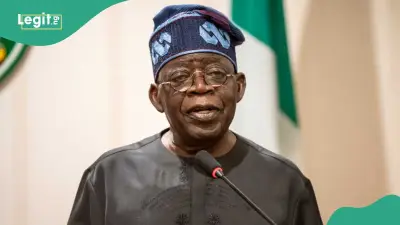
Professor Abubakar Sani Sambo, the State Commissioner for Education, revealed the plan during a high-level validation workshop organized by the Kaduna State Ministry of Education. The event, supported by the Adolescent Girls Initiative for Learning and Empowerment (AGILE), brought together policymakers, development partners, and civil society actors to review draft policies on Gender in Education and Life Skills.
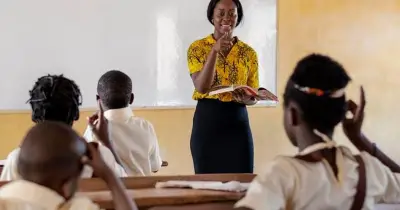
According to Professor Sambo, integrating life skills into the education curriculum will economically empower girls, enabling them to engage in viable economic activities outside traditional classroom settings. He emphasized that this reform represents a direct investment in reducing early marriage, improving school retention rates, and strengthening the future prospects of young people in Kaduna State.
Tackling Structural Barriers and Social Challenges
The 'Gender in Education Policy' is designed to tackle structural barriers that disproportionately affect girls, including issues related to safety, access to education, and retention in schools. Simultaneously, the 'Life Skills' framework introduces competencies that help young people navigate real-life challenges, fostering resilience and practical knowledge.
Maryam Dangaji, the State Project Coordinator of AGILE, highlighted that this reform addresses deeper social challenges impacting adolescents, particularly girls. She noted that Kaduna, like other northern states, continues to struggle with early marriage, school dropouts, and gender-based violence, issues that are intrinsically linked to educational outcomes.
Transforming Interventions into Systemic Change
Habiba Mohammed, the Executive Director of the Centre for Girls' Education, praised the initiative for transforming isolated interventions into a cohesive system that benefits every girl. She mentioned that her organization has been at the forefront of supporting the institutionalization of life skills in education within Kaduna State.
The initiative involves several key steps: incorporating life skills into school timetables, training teachers to effectively deliver the new curriculum, and embedding monitoring indicators within existing quality assurance systems to ensure accountability and effectiveness.
Call for Political Engagement and Implementation
Participants at the workshop stressed that the level of political engagement is crucial for the success of this reform. They called for the finalization and adoption of the policy frameworks, securing adequate budget allocations, comprehensive teacher training, and the establishment of robust monitoring systems. These measures are essential to ensure that the policies are not only implemented but also effective and efficient in achieving their goals of improving girls' education and empowerment in Kaduna State.