WTO Chief Applauds Nigerian Writer's Advocacy for Girls' Education in Northern Region
The Director-General of the World Trade Organisation, Dr Ngozi Okonjo-Iweala, has publicly commended Nigerian author Abdullahi Haruna Haruspice for his compelling article that champions girl-child education in northern Nigeria. In a notable social media post on Thursday, February 5, 2026, the esteemed global leader described Haruna's piece as "beautifully written" and exceptionally articulate in making the case for educational opportunities for young girls in the region.
An Unusual Endorsement from a Global Leader
Dr Okonjo-Iweala, who rarely shares articles that speak positively about her personal achievements, made a deliberate exception for Haruna's work. "I do not normally share articles saying nice things about me, that is not my style, but this one is different," she wrote in her post on X. The WTO chief explained that the article's quality and important message warranted special recognition, highlighting how it effectively bridges local values with global educational standards.
Article Sparks Broader Gender and Education Dialogue
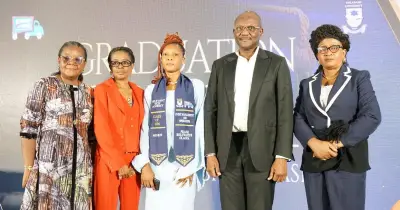
Haruna's article, published in the Leadership newspaper, reflected on Dr Okonjo-Iweala's recent visit to Zaria for the 45th convocation ceremony of Ahmadu Bello University. According to the author, the WTO director-general's presence transformed the academic event into a significant platform for discussing gender equality, educational access, and opportunity in northern Nigeria.
The article made several compelling observations:
- The substantial turnout at the convocation challenged prevailing stereotypes about educational engagement in northern Nigeria
- There exists a strong appetite within northern communities for examples that successfully reconcile traditional values with global relevance
- The achievement of a woman from Bida in Niger state as the second-best graduating student demonstrated how girls excel when provided equal educational access
Author's Response to Recognition
Abdullahi Haruna Haruspice expressed profound gratitude for Dr Okonjo-Iweala's recognition, describing it as a significant boost to his advocacy work and personal aspirations. "Being mentioned by this great and accomplished woman is a tacit boost to my aspirations," Haruna wrote in response to the WTO chief's praise. He thanked Okonjo-Iweala for her kind words and encouragement, noting how such recognition reinforces the importance of continuing to advocate for girl-child education.
Public Reaction and Support
The endorsement sparked considerable discussion on social media, with many Nigerians expressing support for the article's message and the broader cause of girls' education in northern Nigeria. Several commentators emphasized that:
- Girl-child education requires concrete action and policy implementation rather than mere slogans
- Educated girls contribute to stronger families and more stable communities
- Voices like Haruna's help maintain focus on an issue that often receives insufficient attention from leaders
One respondent noted the "quiet power" in sharing content when the cause matters more than personal credit, suggesting that such advocacy helps shift conversations from sympathy to responsibility.
Broader Context of Child Rights in Nigeria
This discussion about girl-child education occurs within a larger national conversation about children's rights and protection. In a related development, the Emir of Kano, HRH Alhaji Dr Muhammadu Sanusi II, recently addressed violence against women and children, stating that such abuse stems from unequal power relations and institutional failures rather than African cultural traditions. The Emir emphasized that vulnerable populations suffer when men hold disproportionate power and state institutions fail to provide adequate protection.
The convergence of these discussions—from educational advocacy to child protection—highlights the multifaceted approach needed to address gender inequality and educational disparities in Nigeria, particularly in northern regions where cultural and socioeconomic factors have historically limited girls' access to formal education.