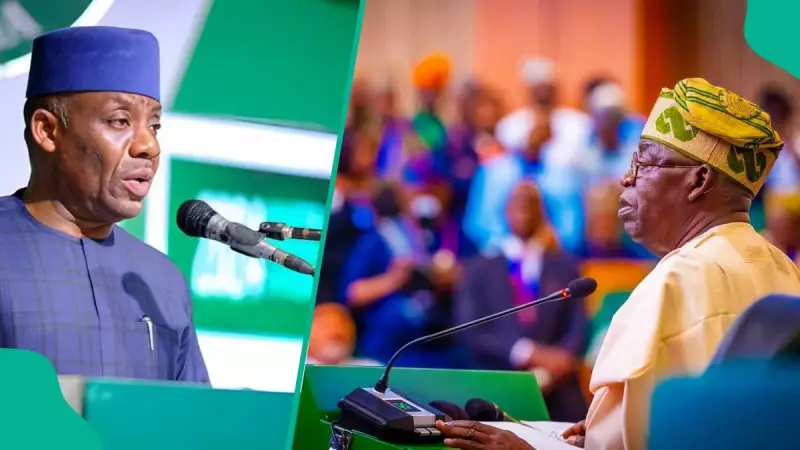
Educational stakeholders across Nigeria have expressed strong commendation for Minister of Education Tunji Alausa, recognizing his leadership in driving significant reforms that are transforming the nation's education landscape. These reforms, implemented under the administration of President Bola Tinubu, are already yielding positive results for students, parents, and educators nationwide.
Stakeholders Recognize Minister's Visionary Leadership
In a recent statement, educational experts highlighted that the Ministry's initiatives under Dr. Alausa are establishing new benchmarks for excellence. The stakeholders emphasized that technical education expansion, cost reduction strategies, and comprehensive university reforms are creating tangible benefits across the educational ecosystem. This recognition comes as Nigeria positions its education system for greater global competitiveness and relevance.
Technical and Vocational Education Expansion
At the core of Minister Alausa's reform agenda is the substantial expansion of technical and vocational education. The Ministry has recently opened admission portals for Federal Technical Colleges while implementing a fully funded, tuition-free policy for admitted students. This strategic move eliminates financial barriers for Nigerian youth while equipping them with practical skills essential for global competition.
According to stakeholders, this policy represents more than mere academic reform—it constitutes a comprehensive strategy to develop a competent and competitive workforce capable of driving national development. The emphasis on technical skills aligns with global economic trends and addresses Nigeria's specific employment challenges.
Significant Reduction in Learning Costs
Parents and educators have particularly praised the Ministry's directives aimed at reducing educational expenses. These measures include banning graduation ceremonies for nursery and pre-primary pupils, mandating reusable textbooks, and prohibiting disposable workbook bundling practices. These initiatives provide substantial relief to families who have struggled with escalating school costs in recent years.
When combined with textbook benchmarking policies, these reforms ensure that students have access to high-quality learning resources without imposing unnecessary financial pressure on households. The cost-reduction measures demonstrate the Ministry's commitment to making education more accessible and affordable for all Nigerians.
Polytechnic Empowerment and University Stability
The Ministry has implemented groundbreaking reforms in polytechnic education, empowering institutions to award degrees, enhance curricula, and strengthen industry linkages. Stakeholders note that these changes significantly elevate the perception and relevance of polytechnic graduates in the job market, creating clearer pathways between education and employment.
Furthermore, the Ministry successfully concluded the landmark 2025 agreement with the Academic Staff Union of Universities (ASUU), stabilizing industrial relations and ensuring continuity in the university academic calendar. This agreement represents a crucial step toward sustainable higher education development and institutional harmony.
Exam Integrity and Global Credibility
Minister Alausa's administration has implemented robust measures to curb examination malpractice in WAEC and NECO examinations, thereby ensuring the credibility of Nigerian qualifications. Stakeholders emphasize that these reforms are essential for maintaining the integrity of Nigeria's educational credentials both locally and internationally.
According to educational experts, students graduating under this reformed system will possess credentials respected worldwide, making Nigerian graduates more competitive on the global stage. This focus on examination integrity represents a fundamental component of Nigeria's educational transformation strategy.
The comprehensive nature of these reforms demonstrates the Ministry's holistic approach to educational development, addressing multiple facets of the system simultaneously. From technical education to cost management, institutional empowerment to credential integrity, the reforms under Minister Alausa's leadership are creating a more robust, accessible, and globally competitive education system for Nigeria.