In a significant push to uphold the dignity and rights of adolescent girls, a non-governmental organization is making strides against period poverty across Nigeria. The Inclusion Project (TIP) has intensified its Menstrual Hygiene and Reusable Pad Initiative, a program designed to ensure girls can manage their periods safely and stay in school.
Empowering Girls in Kano with Knowledge and Skills
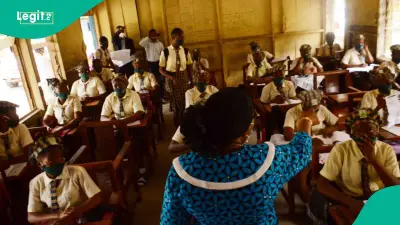
In Kano State, TIP organized targeted menstrual hygiene awareness sessions. These were not just lectures but open forums where girls received accurate information about their bodies and rights. The sessions boldly tackled deep-seated myths and the stigma that often surrounds menstruation, while stressing the critical link between proper hygiene, education, and self-confidence.
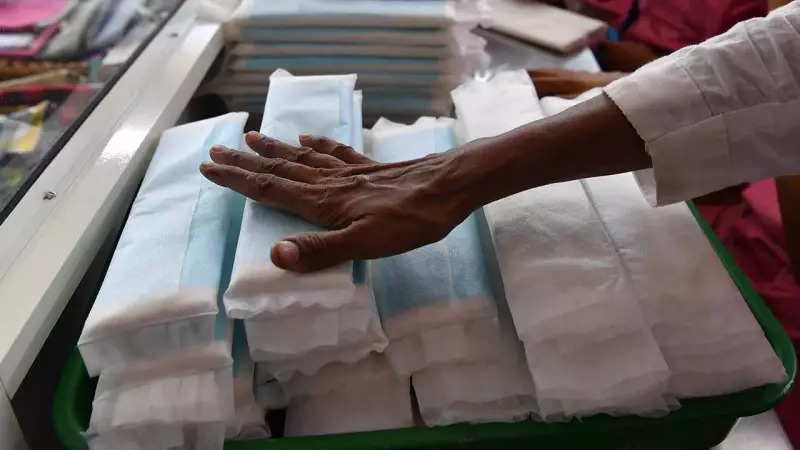
A core component of the training was practical. Participants were taught how to produce their own reusable sanitary pads using simple, low-cost materials. This skill provides a sustainable and affordable alternative for girls who struggle to access disposable products. Beneficiaries reported that the training opened their eyes to knowledge they never had before.
Many girls shared that they used to miss school during their periods due to fear and embarrassment. Now, equipped with their self-made, reusable pads, they can attend classes consistently without interruption.
Building Advocacy and Community in Imo State
The initiative's impact extended to Imo State, where TIP convened a menstrual hygiene empowerment workshop. This interactive experience brought together adolescent girls and women leaders, fostering a community of learning and support.
Focusing on education as a pathway to dignity and better life outcomes, the workshop taught a simple three-layer method for creating reusable pads. This offers a long-term solution to the twin challenges of product affordability and school absenteeism. Crucially, the dialogue also addressed harmful cultural beliefs, encouraging girls to become advocates for themselves and their peers.
Participants openly discussed personal experiences of stigma, concluding that the training helped them reframe menstruation as a healthy, natural process that should never limit their education or future opportunities.
Menstrual Health Framed as a Fundamental Right
Speaking on the initiative's philosophy, TIP’s Programme Manager, Oguchienti Jane, stated that the organization views menstrual health as a core human rights issue. "Our work with girls in Kano and Imo reflects our belief that menstrual health is not just a hygiene issue; it is a matter of dignity, equality and human rights," she said. "By teaching girls how to manage their periods safely and confidently, we are giving them the freedom to focus on their dreams without interruption."
In a separate statement, TIP Director, Pamela Okoroigwe, revealed that the program, launched with support from the Malala Fund, was born from direct engagement with girls in communities and observations of how period poverty damages school attendance, health, and self-esteem.
"Through the integration of menstrual health education and practical skill-building, the project seeks to ensure that no girl misses school because of her period, communities better support girls’ health needs, and young girls grow up confident and empowered," Okoroigwe stated.
As the Reusable Pad Initiative expands, TIP has reaffirmed its commitment to breaking down barriers of silence, shame, and economic hardship, ensuring that no Nigerian girl is held back from her education simply because she menstruates.