UNICEF Champions GESP Initiative to Enhance Livelihoods for Girls with Disabilities
The United Nations Children's Fund (UNICEF) has voiced significant concern over the distinct challenges faced by girls with disabilities, particularly when visual impairment is compounded by limited literacy and numeracy skills. In a recent development, UNICEF has strongly endorsed the ongoing implementation of the Girls Education Skills Partnership (GESP), an initiative led by the non-governmental organization Sightsavers. This program is described as a practical and impactful intervention designed to empower girls and young women with disabilities by providing them with essential skills to transition into sustainable livelihoods.
Program Overview and Key Partnerships
The GESP initiative, funded by the Foreign, Commonwealth and Development Office (FCDO) and implemented by Sightsavers in collaboration with various partners under UNICEF's supervision and coordination, specifically targets adolescent girls and young women with disabilities. The program encompasses a comprehensive approach, including mentoring, coaching, entrepreneurship training, digital literacy, and employability support. During a courtesy visit by prospective donors, Céline Lafourrière, Chief of UNICEF's Lagos Office covering Southwest Nigeria and Lead of the Private Sector Partnerships Unit for Nigeria and Generation Unlimited Nigeria, commended Sightsavers for its dedication.
Lafourrière emphasized that leaving no one behind remains a core priority for UNICEF. She highlighted the unique barriers faced by girls with disabilities, especially when visual impairment intersects with low literacy and numeracy levels. "Girls living with disabilities are particularly important. Now, when people are living with a sight impairment, it becomes extremely difficult to reach them when they have low levels of literacy and numeracy," she stated. "This programme has shown that it can be very practical, very much focused on the practice, whether it is about women wanting to become sellers on the market, or whether it is about young women trying to transition into the private sector."
Commitment to Empowerment and Sustainability
Lafourrière praised Sightsavers for its sustained efforts and expertise in teaching young women with visual impairments and building strong partnerships. She stressed the necessity for enhanced collaboration among development partners, government institutions, and like-minded organizations to ensure the long-term sustainability and expansion of the initiative. "It's a very important partnership because it brings together different partners, including the government, to make sure that we can work with girls to equip them with skills to support them to transition into dignified livelihood," she added.
Professor Joy Shu'aibu, Country Director of Sightsavers Nigeria, elaborated on the GESP's objectives, describing it as a special intervention focused on adolescent girls and young women with disabilities. The program aims to boost their confidence, expand opportunities, and equip them for independent living. Shu'aibu outlined three major pillars of the initiative:
- Mentoring and Coaching: Providing guidance to young girls and adolescents with disabilities to help them achieve their aspirations and build self-esteem.
- Entrepreneurship Development: Offering training in business management, bookkeeping, and profit-making through partnerships with institutions like the Industrial Training Fund (ITF).
- Digital and Employability Skills: Utilizing a computer-based learning platform, Accenture, to teach workplace readiness skills such as CV writing and interview preparation.
Inclusive Selection and Community Engagement
To ensure fair and transparent beneficiary selection, Sightsavers collaborates with Organisations of Persons with Disabilities (OPDs). In Lagos, the partnership is with Project Enable, while in Kano, it involves the Kanawa Foundation. These groups assist in mobilizing and identifying persons with disabilities within their communities. For adolescent beneficiaries, the organization works with the State Universal Basic Education Board (SUBEB) to identify schools with students living with disabilities, whereas young women are selected through an open and transparent application process.
Beneficiary Feedback and Challenges
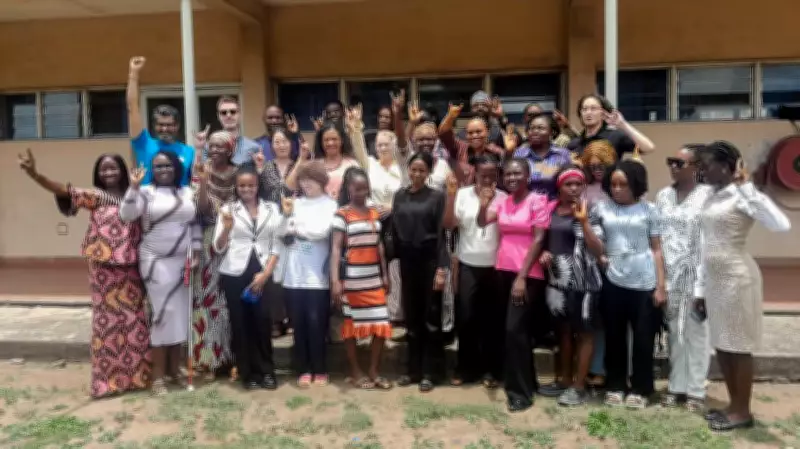
During the event, beneficiaries expressed gratitude for the program, noting that it has equipped them with practical skills and broadened their livelihood opportunities. However, they identified challenges such as low profit returns and difficulties in selling products in their businesses. Despite these hurdles, they acknowledged the positive impact of the initiative on their personal and economic growth, underscoring the transformative potential of the GESP in fostering resilience and independence among girls with disabilities in Nigeria.