UNICEF and Cross River State Forge Partnership to Empower Youth in Green Economy and Disability Inclusion
In a landmark collaboration aimed at fostering sustainable development and social inclusion, the United Nations Children's Fund (UNICEF) has partnered with the Cross River State Government to empower youths through green entrepreneurship initiatives. This dual-pronged approach focuses on transforming waste into wealth while simultaneously enhancing the livelihoods of girls and young women with disabilities.
Waste-to-Wealth Workshop Ignites Green Entrepreneurship Revolution
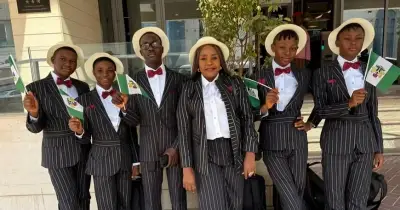
The state government has intensified its drive toward a sustainable circular economy by organizing a comprehensive two-day capacity-building workshop. Themed "Transforming Waste to Wealth & Transitioning to a Circular Economy," this event brought together government officials, the Recyclers Association of Nigeria (RAN), and UNICEF funders to provide hands-on learning experiences for young participants from Cross River.
Delivering the keynote address, Cross River State Commissioner for Environment, Moses Osogi, described the workshop as a pivotal turning point in the state's environmental and economic journey. He emphasized that the gathering was specifically designed to ignite a revolution of green entrepreneurship among youths, aligning perfectly with Governor Bassey Otu's "People First" agenda.
Osogi articulated a fundamental shift in perspective, stating that the state must transition from viewing waste as a mere burden to recognizing it as a reservoir of untapped economic value. This paradigm shift becomes increasingly crucial in the face of pressing climate realities that demand innovative solutions for sustainable development.
UNICEF Champions Disability Inclusion Through GESP Program
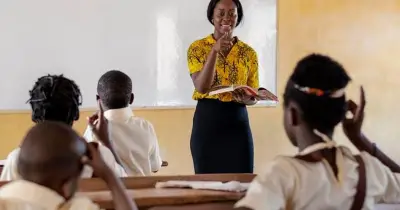
Simultaneously, UNICEF has underscored the critical importance of the ongoing implementation of the Girls Education Skills Partnership (GESP) program. This initiative, executed by the non-governmental organization Sightsavers, represents a practical and impactful intervention aimed at equipping girls and young women with disabilities with essential skills for transitioning into sustainable livelihoods.
The program gained recognition during a recent courtesy visit by prospective donors, who applauded the organizations for their unwavering commitment to empowering girls and adolescents living with disabilities. Funded by the Foreign, Commonwealth and Development Office (FCDO) and implemented by Sightsavers alongside other partners under UNICEF's supervision and coordination, the GESP program specifically targets adolescent girls and young women with disabilities.
The comprehensive program delivers support through multiple channels including mentoring, coaching, entrepreneurship training, digital literacy enhancement, and employability support. This multifaceted approach ensures participants receive holistic preparation for entering the workforce and building sustainable livelihoods.
UNICEF Leadership Emphasizes Inclusive Development
During the visit, Chief of UNICEF's Lagos Office, Céline Lafourrière, who also serves as Lead of the Private Sector Partnerships Unit for Nigeria and Generation Unlimited Nigeria, commended Sightsavers for their effective implementation of the GESP program. She stressed that leaving no one behind remains a key priority for UNICEF's mission in Nigeria and globally.
Lafourrière highlighted the unique barriers faced by girls living with disabilities, particularly when visual impairment is compounded by low levels of literacy and numeracy. "Girls living with disabilities are particularly important. Now, when people are living with a sight impairment, it becomes extremely difficult to reach them when they have low levels of literacy and numeracy," she explained, emphasizing the need for tailored interventions that address these specific challenges.
The combined efforts represent a comprehensive approach to youth empowerment that addresses both environmental sustainability through green entrepreneurship and social inclusion through disability-focused skills development. These initiatives demonstrate how strategic partnerships between government agencies, international organizations, and NGOs can create meaningful opportunities for vulnerable populations while advancing broader sustainable development goals.