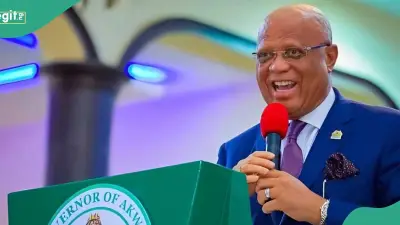
The Nigerian Education Loan Fund (NELFUND), a flagship initiative of President Bola Tinubu's administration, has sparked debate over its effectiveness in providing financial support to tertiary institution students. The scheme, designed to offer accessible loans to Nigerian students, is now under scrutiny as stakeholders question its impact and implementation.
Background of NELFUND
President Tinubu signed the Student Loan (Access to Higher Education) Act into law in June 2023, establishing NELFUND to provide interest-free loans to Nigerian students pursuing higher education. The fund aims to address the financial barriers that prevent many students from accessing tertiary education. According to the Federal Government, the scheme is intended to cover tuition, accommodation, and other educational expenses.
Implementation Challenges
Since its launch, NELFUND has faced several hurdles. Critics point to delays in disbursement, bureaucratic bottlenecks, and limited awareness among students. A recent report by the Academic Excellence Initiative (AEI) noted that only a fraction of eligible applicants have received funds. “The process is cumbersome,” said a student from the University of Lagos who requested anonymity. “Many of us applied months ago but are still waiting for approval.”
Government Response
In response to criticisms, the Federal Government has defended the scheme, stating that it is still in its early stages. A spokesperson for the Ministry of Education emphasized that NELFUND is “a long-term solution” and that the government is working to streamline the application process. President Tinubu has reiterated his commitment to expanding access to education, describing the loan scheme as a “critical investment in Nigeria's future.”
Impact on Students
Despite the challenges, some students have benefited from the program. A beneficiary from Ahmadu Bello University, Zaria, shared his experience: “NELFUND helped me pay my tuition fees when my family could not. It has been a lifesaver.” However, such success stories remain limited. Data from NELFUND indicates that as of June 2026, approximately 15,000 students have received loans, far below the initial target of 100,000 beneficiaries.
Future Prospects
Looking ahead, education experts suggest that NELFUND needs to address its operational inefficiencies to achieve its goals. Dr. Fatima Bello, an education policy analyst, stated: “The scheme has potential, but without proper monitoring and transparency, it risks failing the very students it aims to help.” The government has announced plans to digitize the application process and partner with more financial institutions to expedite disbursements.
As Nigeria continues to grapple with high unemployment and a struggling economy, the success of NELFUND could have significant implications for the country's human capital development. For now, the question remains: is President Tinubu's student loan working? The answer, it seems, is still uncertain.