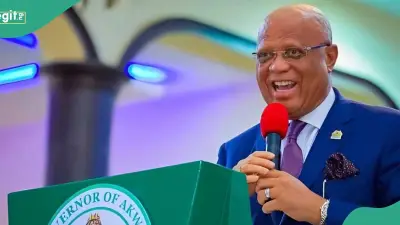
Bauchi State Governor Bala Mohammed has called for Arabic education to be formally integrated into Nigeria's national curriculum, arguing that graduates of Arabic-speaking universities deserve equal recognition and opportunities within the country's education system. The proposal has sparked significant debate, with supporters citing educational equity and critics raising concerns over religious implications.
Governor's Call for Arabic Education Integration
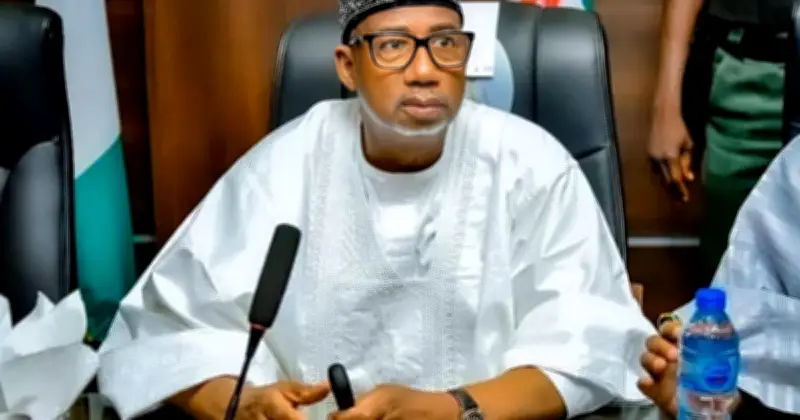
Governor Mohammed made the call while receiving a delegation of Nigerian students studying in Saudi Arabian universities at Government House in Bauchi. The delegation was led by Dr Shuaibu Idris, Director of the Centre for Sunnah Studies in Africa. Mohammed expressed concern over what he described as the gradual decline of Northern Nigeria's Arabic educational heritage, noting that the region has long maintained strong educational, religious, and cultural ties with the Arab world.
He said formalising Arabic education within the national curriculum would ensure that graduates are not disadvantaged when seeking opportunities within Nigeria's broader system. The governor also reaffirmed his administration's commitment to reviving the abandoned Arabic College in Alkaleri, describing it as central to preserving the region's educational heritage.
Current Curriculum Status
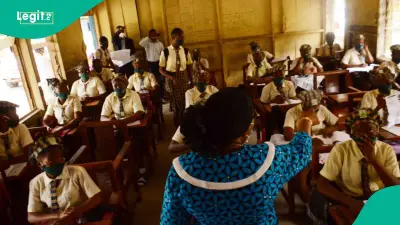
Nigeria's revised Basic and Senior Secondary Education Curriculum, unveiled in September 2025, already lists Arabic as an optional subject at the primary level. Governor Mohammed's proposal goes further, calling for a more structured integration that would give Arabic education graduates equal standing nationally, a position that currently does not exist within the framework.
Public Reaction and Debate
The proposal has drawn significant criticism online, with many Nigerians raising concerns about the religious implications of integrating Arabic education into a national curriculum that serves a religiously diverse population. Critics have argued that Arabic, unlike French, which is also listed as an optional subject in the curriculum, carries inherent religious associations that make its formal integration a sensitive proposition in a country where religion remains a deeply divisive issue.
Supporters of the governor's position have countered that the proposal is about educational equity rather than religion, pointing out that thousands of Nigerian graduates hold legitimate degrees from Arabic-speaking institutions but struggle to have their qualifications recognised within the country. According to the governor, this disparity limits opportunities for these graduates in the broader Nigerian system.