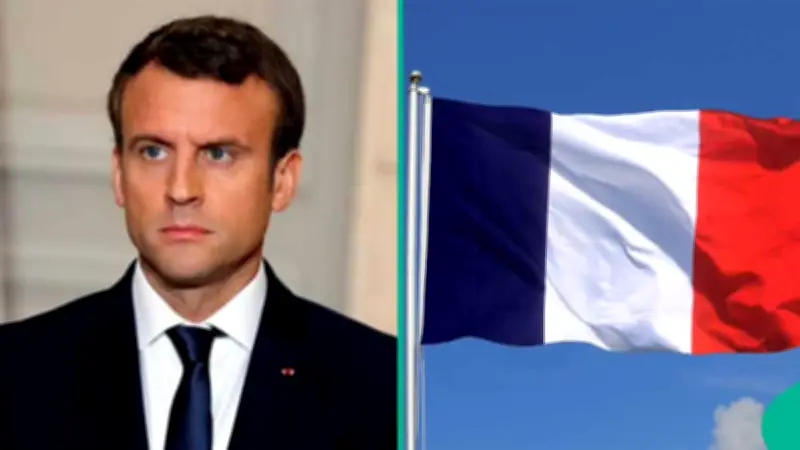
France has officially outlined five key expectations for foreigners applying for citizenship in 2026. The announcement, made by French authorities, aims to prepare applicants for the interview process, which is a crucial step in obtaining French nationality. According to the French government, the interview will assess language proficiency, civic knowledge, and integration into French society.
What the Interview Entails
The citizenship interview in France is designed to evaluate an applicant's understanding of French values, history, and culture. It also tests their ability to communicate in French, which is a fundamental requirement for naturalization. The French authorities have clarified that the interview will be conducted in French, and applicants must demonstrate a certain level of fluency.
One of the most important aspects is the language test. Applicants are expected to have at least a B1 level of French, according to the Common European Framework of Reference for Languages (CEFR). This means they should be able to understand and produce simple texts on familiar topics, and interact with native speakers with relative ease.
Civic Knowledge and Values
Another key expectation is a thorough understanding of French civic principles. This includes the country's motto, 'Liberté, Égalité, Fraternité' (Liberty, Equality, Fraternity), and the rights and duties of French citizens. Applicants will be asked questions about the French Republic, its institutions, and the separation of church and state, known as 'laïcité'.
According to a spokesperson from the French Ministry of the Interior, 'The interview is not just a formality; it is a way to ensure that future citizens are fully aware of the values that unite our nation.' This statement underscores the importance France places on integration and shared values.
Professional and Social Integration
France also expects applicants to demonstrate their professional and social integration. This means having a stable job or a clear plan for employment, as well as showing that they are actively participating in French society. This could include volunteer work, community involvement, or membership in local organizations.
The interview panel will review the applicant's tax records, employment history, and any evidence of social contributions. According to the French government, this helps to assess the applicant's commitment to contributing to the country's economy and social fabric.
Documentation and Preparation
Applicants are advised to bring all necessary documents to the interview, including proof of identity, residence permits, and any certificates or diplomas. It is also recommended to prepare for questions about their personal background, reasons for seeking French citizenship, and future plans in France.
The French authorities have provided a detailed guide on their official website to help applicants prepare. This includes sample questions and tips on how to answer them effectively. The guide emphasizes the importance of honesty and clarity during the interview.
Impact on Applicants
The new expectations are part of France's broader efforts to streamline the naturalization process while ensuring that new citizens are well-prepared to integrate. According to recent statistics, France granted citizenship to over 100,000 people in 2025, and this number is expected to increase in 2026.
For many applicants, the interview is a daunting prospect, but with proper preparation, it can be a rewarding experience. As one successful applicant noted, 'The interview was challenging, but it made me feel more connected to France and its values.'
In conclusion, the 2026 citizenship interview in France will focus on language, civic knowledge, integration, and documentation. Foreigners who are well-prepared can look forward to a smooth process and a successful outcome.