The 'Olodo Uprising' sweeping Nigeria's social media landscape is not just a viral trend but a stark indicator of a deeper crisis: the glorification of superficial excellence over genuine knowledge. This movement, characterized by young Nigerians proudly embracing ignorance and mediocrity, has sparked national debate about the state of education and values in the country.
What is the Olodo Uprising?
Olodo, a Yoruba slang for 'dullard' or 'ignorant person,' has been reclaimed by a generation of young Nigerians who flaunt their lack of knowledge as a badge of honor. Videos and posts celebrating 'olodo' behavior have gone viral, with some influencers even monetizing their ignorance. According to a recent survey by the National Bureau of Statistics, only 35% of Nigerian youth aged 15-24 demonstrate basic literacy and numeracy skills, a figure that has declined by 12% over the past decade.
This trend is not confined to social media; it reflects a broader educational crisis. The 2024 WAEC results showed that only 48% of candidates passed mathematics and English, the lowest in five years. Meanwhile, the proliferation of fake news and misinformation has been linked to a population that cannot critically evaluate information.
The Role of Social Media and Influencers
Social media platforms, particularly TikTok and Instagram, have become breeding grounds for the Olodo Uprising. Influencers who openly admit to not knowing basic facts, such as the capital of Nigeria or the year of independence, gain massive followings and brand deals. A viral video featuring a popular comedian who couldn't name the current vice president has been viewed over 10 million times.
"The Olodo Uprising is a symptom of a system that rewards virality over validity," said Dr. Ngozi Okonjo-Iweala, a prominent education economist. "We are celebrating ignorance at the expense of critical thinking, and this will have devastating consequences for our economy and democracy."
Impact on Education and Workforce
The glorification of ignorance is already impacting Nigeria's workforce. A 2025 report by the World Bank indicated that 60% of Nigerian employers struggle to find skilled labor, citing poor problem-solving and technical abilities among graduates. This skills gap is projected to cost the Nigerian economy $10 billion annually in lost productivity.
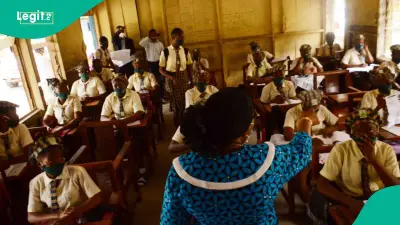
Moreover, the Olodo Uprising undermines efforts to improve education. Teachers report that students are increasingly resistant to learning, viewing academic success as 'uncool.' In a survey of 2,000 secondary school students, 45% said they would rather be social media influencers than pursue higher education.
Cultural Shift or Crisis?
Some sociologists argue that the Olodo Uprising is a form of resistance against an elitist education system that fails to provide opportunities. "When young people see that degrees don't guarantee jobs, they devalue education," noted sociologist Dr. Adebayo Ogunlesi. "The uprising is a cry for relevance, but it's misdirected."
However, others see it as a dangerous cultural shift. "We are losing our respect for knowledge and hard work," said elder statesman and former Minister of Education, Professor Ruqayyah Ahmed Rufa'i. "This generation must be reminded that superficial excellence is a mirage that leads to a dead end."
Addressing the Crisis
Experts recommend a multi-pronged approach. First, educational curricula must be reformed to emphasize critical thinking and digital literacy. Second, social media platforms should promote educational content and fact-checking. Third, role models and celebrities should champion intellectualism.
"We need a national campaign to rebrand intelligence as aspirational," said tech entrepreneur and founder of EdTech startup, Tunde Onakoya. "Our children need heroes who are smart, not just funny."
In the meantime, the Olodo Uprising continues to spread, with a new hashtag #OlodoGang trending weekly. But as Nigeria grapples with economic challenges and a youth bulge, the stakes are too high to let ignorance go viral. The nation must choose: superficial excellence or genuine progress.