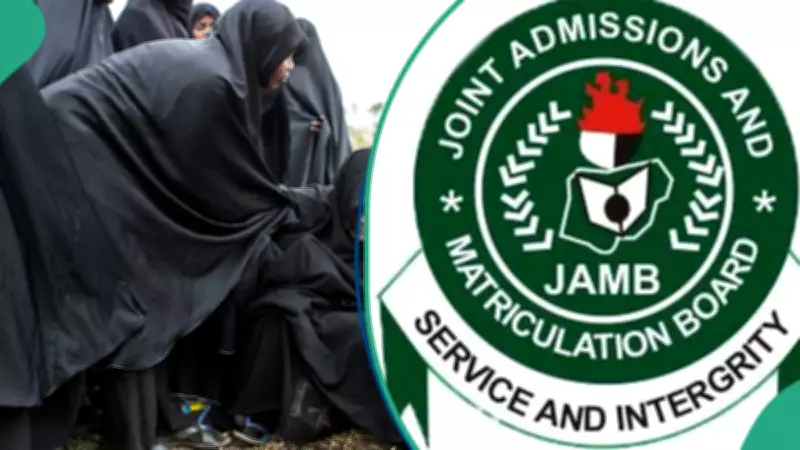
JAMB 2026: Outrage as Muslim UTME Candidates Ordered to Remove Hijab at Exam Center
A significant uproar has erupted during the 2026 Unified Tertiary Matriculation Examination (UTME) in Ibadan, Oyo State, as reports indicate that Muslim female candidates were allegedly denied entry into exam halls for wearing hijab. According to eyewitness accounts, the incident occurred on Thursday, April 16, 2026, as the nationwide UTME commenced, sparking widespread condemnation from Islamic groups and the general public.
Violation of Constitutional and JAMB Guidelines
An X user, @AlfaShehu01, raised an alarm, stating that candidates wearing hijab were compelled to remove their religious head coverings before being allowed to sit for the JAMB exams at a specific center in Ibadan. This action was described as a direct violation of the candidates' constitutional right to freedom of religion, as enshrined in Nigerian law. Additionally, it contradicted JAMB's own guidelines, which explicitly permit the wearing of hijab during examinations to accommodate religious practices.
The user emphasized that this enforcement forced candidates into an untenable position: either forfeit their annual examination or compromise their religious beliefs by removing the hijab. This situation has drawn sharp criticism from various quarters, highlighting concerns over discrimination and the infringement of fundamental human rights in educational settings.
JAMB Officials Intervene to Resolve the Crisis
In response to the escalating controversy, officials from the Joint Admissions and Matriculation Board (JAMB) swiftly arrived at the affected exam center in Ibadan to take control of the situation. It was confirmed that the matter was placed under immediate review, with steps already underway to address the issue and ensure the examinations could proceed smoothly without further disruptions.
The Muslim Students' Society of Nigeria, Akinyele Area Council in Ibadan, acknowledged that calm had been restored following JAMB's intervention. They expressed gratitude to those who raised awareness about the incident, noting that their efforts helped prompt a timely resolution. This intervention underscores the importance of public advocacy in upholding religious freedoms and ensuring compliance with established policies.
Broader Implications for Religious Tolerance in Education
This incident has reignited debates about religious tolerance and inclusivity within Nigeria's educational system. As UTME is a critical gateway for students seeking admission into tertiary institutions, any form of discrimination based on religious attire can have severe consequences for candidates' academic futures and mental well-being. The controversy serves as a reminder for exam authorities to strictly adhere to guidelines that protect students' rights and foster an environment of respect and equality.
Moving forward, stakeholders are calling for enhanced training for JAMB officials and center supervisors to prevent similar occurrences in future examinations. Ensuring that all candidates, regardless of their religious beliefs, are treated fairly and in accordance with the law is essential for maintaining the integrity and fairness of Nigeria's educational assessments.