Nigerian Student's University Dreams Dashed by Delayed JAMB Result Release
A promising Nigerian student's aspirations for higher education have been severely impacted after her Unified Tertiary Matriculation Examination (UTME) result was reportedly released several months late, missing the crucial admission window for the 2025 academic year. The case of Chukwukelu Happiness Emmanuella has ignited widespread discussion about systemic issues within Nigeria's educational assessment processes.
Months of Waiting End in Disappointment
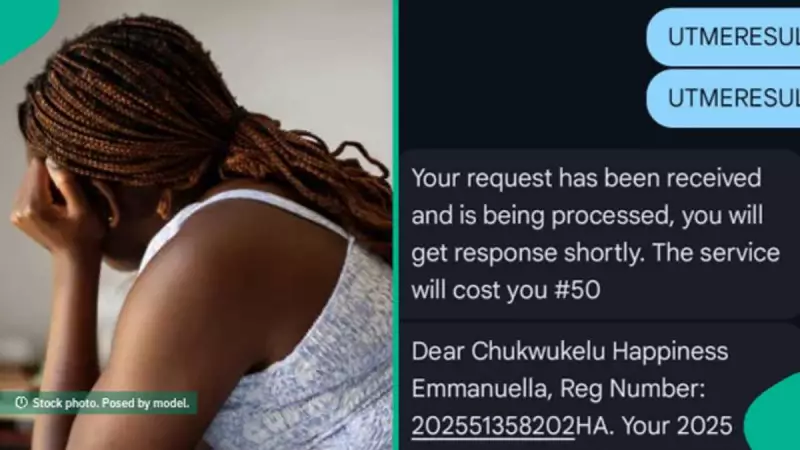
According to reports shared on social media platform X by user @winexviv, Chukwukelu Happiness Emmanuella sat for the 2025 UTME administered by the Joint Admissions and Matriculation Board (JAMB) and achieved impressive scores across her subjects. Her detailed result showed she scored 69 in English Language, 83 in Physics, 83 in Biology, and 83 in Chemistry, culminating in an aggregate score of 318 out of a possible 400.
The registration number associated with her result was 202551358202HA, confirming her participation in the national examination. Despite this strong academic performance, her result was inexplicably withheld by the examination body for an extended period spanning several months.
Emotional Toll on Aspiring Student
The delayed release proved particularly devastating as it coincided with the closure of university admission portals across Nigeria. By the time her results were finally made available, all opportunities for securing admission for the current academic year had elapsed, leaving the student in emotional distress.
@winexviv, who brought attention to the situation, expressed deep sympathy for the young scholar, noting that "she has been crying all day" upon discovering her results were released too late for admission consideration. The social media user emphasized the unfairness of the situation, stating that JAMB's actions had effectively denied her timely access to educational advancement despite her demonstrated academic capability.
Public Outcry and Calls for Accountability
The revelation sparked significant reactions across Nigerian social media platforms, with many citizens expressing outrage at what they perceive as systemic failures within educational institutions. Numerous commentators highlighted the psychological and academic consequences of such administrative delays on young Nigerians pursuing education.
Among the vocal responses, several users proposed specific courses of action. One commenter suggested that JAMB should directly facilitate her admission through institutional channels as compensation for their error. Another advocated for legal action, recommending the student pursue compensation for emotional trauma and academic disruption.
Additional perspectives called for policy reforms, including suggestions that UTME results should remain valid for multiple years rather than requiring annual re-examination. Many emphasized the need for greater accountability within public educational institutions to prevent similar occurrences affecting other students.
Broader Implications for Nigerian Education
This incident has raised important questions about the reliability and timeliness of examination result releases in Nigeria's educational landscape. The case highlights potential vulnerabilities within the admission process that could disadvantage qualified candidates through no fault of their own.
As discussions continue, the situation underscores the critical importance of efficient administrative processes in educational assessment bodies. The emotional and academic impact on affected students can be profound, potentially influencing youth engagement with formal education systems when they perceive systemic inequities.
The delayed release of Chukwukelu Happiness Emmanuella's UTME results serves as a poignant reminder of the human consequences behind administrative processes, sparking necessary conversations about reform and accountability within Nigeria's educational infrastructure.