Historic Shift in Nigerian Education as Polytechnics Gain Degree-Awarding Status
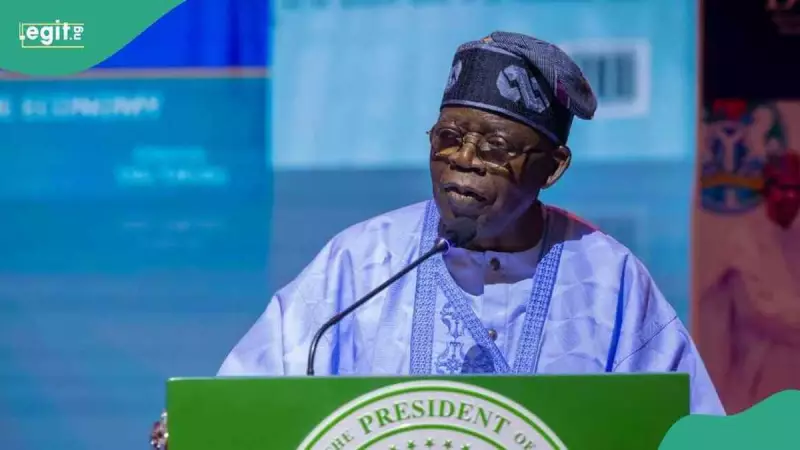
In a landmark announcement that has sparked widespread jubilation across Nigeria's educational sector, the Federal Government under President Bola Tinubu has taken decisive action to grant polytechnics degree-awarding powers. This monumental reform effectively ends the decades-long Higher National Diploma (HND) dichotomy that has created significant disparities between polytechnic and university graduates in the country.
Minister Alausa Announces Transformative Policy in Abuja
The Minister of Education, Dr. Tunji Alausa, made the groundbreaking disclosure on Wednesday, January 21, during a high-level retreat in Abuja attended by council chairmen, commissioners of education, rectors, registrars, and bursars from polytechnic institutions nationwide. Describing the move as a historic shift in Nigeria's educational landscape, Alausa emphasized that this policy would finally eliminate the discrimination that polytechnic graduates have faced for generations.
"This reform will elevate polytechnics into centers of excellence within Nigeria's higher education system," Alausa declared during his address. "It represents a fundamental repositioning of technical and vocational education as a critical driver of national development and economic growth."
Aligning with Tinubu's Renewed Hope Agenda
The minister stressed that this transformative policy directly aligns with President Bola Tinubu's Renewed Hope Agenda, which prioritizes job creation, industrial growth, and comprehensive human capital development. According to Alausa, granting degree-awarding status to polytechnics will accomplish several crucial objectives:
- Attract stronger industry partnerships and collaborations
- Secure better funding opportunities for technical institutions
- Build greater public confidence in polytechnic education
- Enhance Nigeria's global competitiveness through skilled workforce development
"With degree-awarding status, polytechnics will attract stronger industry partnerships, better funding, and greater public confidence," Alausa emphasized, assuring stakeholders that the transition would be managed through clear standards, robust regulation, and quality assurance mechanisms to ensure globally competitive graduates.
Preserving Technical Education's Core Strengths
While elevating polytechnics to degree-awarding institutions, Alausa made it clear that the reform would preserve the hands-on, industry-focused training approach that has traditionally characterized polytechnic education. He stressed that Nigeria's future economic competitiveness depends fundamentally on developing a workforce capable of creating, building, and solving real-world problems through practical skills and technical expertise.
The minister highlighted the ministry's prioritization of Technical and Vocational Education and Training (TVET) to ensure that polytechnic graduates remain innovative, industry-ready, and fully capable of driving sustainable economic growth across all sectors.
Governance, Transparency and Sustainability Framework
Speaking on the theme, 'Transforming Polytechnic Education in Nigeria: Innovation, Good Governance and Sustainability for National Development,' Alausa outlined the governance framework that would guide this new era of polytechnic administration. He emphasized that transparency, accountability, and ethical leadership must become foundational principles for all polytechnic institutions.
The minister called for:
- Fiscal discipline and timely financial audits across all institutions
- Prudent resource management and zero tolerance for corruption
- Increased internally generated revenue through production and services
- Development of eco-friendly campuses and resilient infrastructure
"Polytechnics should aim to produce what they consume and support national needs by reducing dependence on imports," Alausa urged, highlighting the sustainability dimension of the reform.
Addressing Challenges and Seizing Opportunities
Acknowledging the significant challenges facing polytechnic education in Nigeria, including funding gaps, outdated facilities, and persistent societal bias favoring university degrees, Alausa maintained that the opportunities presented by this reform far outweigh the obstacles. He reaffirmed the federal government's commitment to supporting polytechnics through comprehensive policy reforms, infrastructure upgrades, and strategic partnerships with both domestic and international stakeholders.
"This is a landmark moment for polytechnic education in Nigeria," Alausa concluded. "It marks the beginning of a new era where technical education is fully recognized for its vital contribution to national development and economic prosperity."
The announcement comes at a critical time for Nigeria's higher education sector, as the country continues to seek ways to enhance the global competitiveness of its institutions and graduates. This reform represents one of the most significant structural changes to Nigeria's educational system in decades and is expected to have far-reaching implications for technical education, industrial development, and national economic planning.