Nigerian Teacher Exposes Harsh Realities in Private Schools, Igniting National Debate
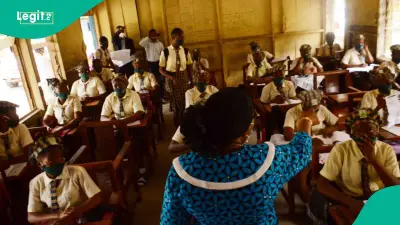
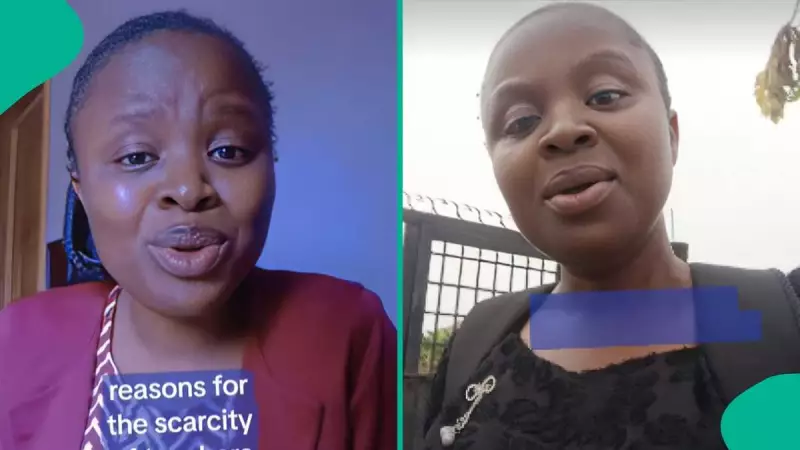
A Nigerian woman has sparked widespread online discussions after revealing the challenging working conditions that force many teachers to resign from private schools across the country. In a viral TikTok video, she addressed concerns raised by school owners about increasing teacher turnover, arguing that the problem stems from systemic issues rather than a lack of qualified educators.
The Core Issues Driving Teachers Away
According to the woman, who shared her insights on the popular social media platform, private school teachers face multiple hardships that make their positions unsustainable. She highlighted three primary factors contributing to the exodus of teaching staff from these institutions.
First, she pointed to extremely low salaries that fail to meet basic living standards in Nigeria's current economy. "Graduates, [you pay them] 20,000, 25,000 Naira in this present economy," she stated in the video. "And then you complain that they don't stay in your private schools. The majority of private schools you go to, they don't treat their teachers well. You pay them very little, low salary is part of it."
Delayed Payments and Excessive Workloads
The second major issue she identified involves the untimely payment of wages. Many teachers reportedly work for an entire month without receiving their salaries until the middle of the following month, creating significant financial strain. "This is why teachers are quitting," she explained. "Number two is that, as small as the salary is, you don't even pay it on time. For one month's work, it might get to the 15th of the next month before you finally pay them for the previous month's work."
This payment delay makes it difficult for educators to cover essential expenses such as rent, clothing, and other basic needs, further diminishing job satisfaction and financial stability.
Additionally, she cited excessive workloads as another critical factor. Teachers hired for primary school classes are sometimes required to teach secondary school students when schools expand, without receiving additional compensation or support. This unreasonable expectation places undue pressure on educators, leading many to seek alternative employment opportunities.
Public Reactions and Broader Implications
The video has generated significant engagement on social media, with many Nigerians sharing their own experiences and opinions about the state of private education in the country.
- One commenter noted: "I just want parents to know that when you pay a tuition fee of 100k and the teacher is paid 20k your child gets 20k worth of education."
- Another shared a personal story: "During my NYSC days, I was posted to a secondary school the school owner offered me 7k monthly then I told him I can't take it because on my own I made 240k monthly omo the guy provoked call my LGI."
- A third observer commented on broader business practices: "Private school need to do better they are very stingy in everything I sew sportwears for schools, wears that they will sell for 12k they will wan do am for 4k."
These responses highlight growing public awareness about the disconnect between tuition fees collected by private schools and the compensation provided to teaching staff. The discussion has expanded to include questions about educational quality and ethical business practices within the private education sector.
Comparative Context and Industry Standards
The revelation comes amid ongoing conversations about teacher welfare across Nigeria's educational landscape. While the woman's video focuses on general private school conditions, previous reports have highlighted specific cases that illustrate similar patterns.
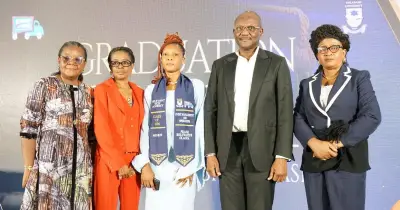
For instance, there have been accounts of teachers at prominent institutions working for extended periods with modest compensation relative to the fees paid by students. These stories collectively paint a picture of an education system where teacher remuneration often fails to reflect their crucial role in shaping young minds.
The viral TikTok video has succeeded in bringing renewed attention to the working conditions of private school teachers in Nigeria. As the debate continues online, it raises important questions about sustainable practices in private education and the need for better protection of educators' rights and welfare across the country.