Experts Stress Early Autism Diagnosis and Support for Better Outcomes in Nigeria
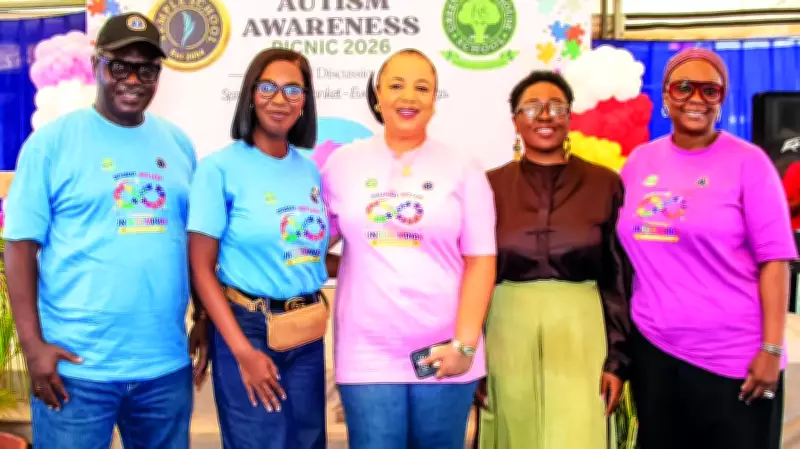
The Chief Consultant at Zerenity Wellness, Olufowobi Gbadebo, has emphasized that early diagnosis combined with robust social support systems is absolutely critical for enhancing outcomes for individuals on the autism spectrum. Gbadebo delivered this important message during an Autism Awareness picnic organized by Temple Schools and Greenwood House School in Lagos, an event specifically designed to promote inclusion, awareness, and acceptance of persons living with autism.
Importance of Early Identification and Intervention
Gbadebo explained that early identification of autism spectrum disorder allows affected individuals to access appropriate interventions that can significantly improve their developmental trajectory and overall quality of life. He stressed that consistent support for families, alongside inclusive healthcare and educational frameworks, remains essential in addressing the multifaceted challenges associated with this condition.
The psychiatrist noted that autism spectrum disorder affects approximately one in every 30 to 31 individuals, with boys being about three times more likely to receive a diagnosis compared to girls. He identified several early warning signs in children that parents and caregivers should watch for:
- Difficulty with social interaction, including inability to point at objects
- Poor response when called by name
- Limited eye contact
- Heightened sensitivity to environmental stimuli such as noise and light
According to Gbadebo, experienced professionals can reliably diagnose autism in children as young as two years old, and early intervention significantly improves long-term outcomes. He explained that autism exists on a spectrum with varying levels of support needs, ranging from individuals requiring extensive care to those needing minimal assistance.
Call for Systemic Support and Policy Changes
The healthcare professional called for increased awareness and stronger social support systems for families, including improved access to affordable diagnostic and intervention services. He urged the Nigerian government to prioritize autism in healthcare policy development, similar to other medical conditions that receive national attention.
Gbadebo advocated for comprehensive support measures including:
- Financial assistance programs for affected families
- Increased funding for inclusive education initiatives
- Housing and employment support for adults with autism
He emphasized that autism affects both children and adults, requiring lifelong support systems that address different life stages.
Parental Perspectives and Educational Leadership
Psychotherapist and neuro-linguistic practitioner Damilola Adedeji urged parents to move away from rigid societal expectations and embrace the uniqueness of every child. She noted that traditional developmental standards often overlook individual paths, and each child's journey should be understood and supported accordingly.
Adedeji highlighted the significant financial burden faced by parents of non-neurotypical children, stressing that limited institutional support and a shortage of trained specialists make care both expensive and difficult to navigate. Despite these challenges, she described the experience as rewarding, noting that such children often possess unique strengths and exceptional creativity.
The psychotherapist called for increased awareness across multiple sectors including homes, schools, religious institutions, and government agencies. She urged policymakers to introduce grants and invest in training more therapists to bridge existing service gaps.
Educational Institutions Taking Leadership Roles
Founding Director of Temple Schools, Shirley Okharedia, called for greater awareness and inclusion of children with special needs. She noted that educational institutions are playing leading roles in educating pupils about neurodiversity, describing today's children as socially aware and influential in spreading knowledge throughout their communities.
While commending ongoing government and institutional efforts, Okharedia emphasized that more work is needed as the field continues to evolve globally. She urged Nigerian society to end the stigmatization of children with autism and other conditions, stressing that no parent chooses such circumstances and advocating for acceptance, understanding, and genuine inclusion.
Chairman of Temple Schools and Greenwood House School, Robert Okharedia, reiterated the institution's commitment to inclusive education and called for broader societal acceptance of children with autism. He revealed that the school introduced an autism program after observing a growing number of students on the spectrum, providing parents with access to specialists for guidance on managing the condition.
However, Okharedia lamented the widespread stigma still prevalent in Nigerian society, noting that many families feel ashamed while society fails to create adequately supportive environments for neurodiverse individuals.
Building Inclusive Communities
Head of the Exceptional Learners Department, Oseri Owoeye, described inclusion as a collective responsibility that requires greater acceptance of children with autism. Owoeye explained that the Autism Awareness picnic, themed "Spread Out The Blanket, Everyone Belongs," celebrated diversity and highlighted autism as a unique way of experiencing the world rather than a limitation.
She emphasized that every child deserves understanding, opportunity, and love, adding that true inclusion goes beyond awareness to meaningful action. Owoeye noted that the schools have built a supportive community where children with diverse needs can thrive, stressing that collaboration among educators, parents, and therapists remains key to unlocking potential and building a more compassionate and equitable society.