Nigeria to Host Historic 2026 National Inclusion Conference on Inclusive Education and Neurodiversity
Nigeria is poised to host the inaugural National Inclusion Conference 2026 (NIC 2026), a groundbreaking national platform dedicated to advancing inclusive education, raising awareness about neurodiversity, and ensuring universal access to learning opportunities across the country. This landmark event is organized by the International Forum of Inclusion Practitioners (IFIP), based in London and active in 138 countries worldwide, in partnership with Golden Links Educational Consultants, an education-focused organization operating in Nigeria and the United Kingdom.
Conference Objectives and Theme
NIC 2026 is expected to bring together a diverse group of stakeholders, including policymakers, education leaders, school owners, teachers, parents, therapists, development partners, and international inclusion experts. The goal is to coordinate efforts to strengthen Nigeria's response to learning differences and disability inclusion. With the theme Embedding Inclusive Excellence: Supporting Neurodiverse Learners in Every Classroom, the conference serves as both an advocacy platform and a practical intervention aimed at transforming how inclusive education is understood and implemented in Nigeria.
Addressing Critical Barriers in Education
Across Nigeria, children with neurodivergent conditions and disabilities face significant challenges, such as stigma, delayed diagnosis, inadequate classroom support, and limited teacher preparedness. In many communities, neurodivergence remains misunderstood, while families often grapple with denial, emotional distress, and restricted access to early intervention systems. Educators also encounter structural constraints, including overcrowded classrooms, insufficient training in inclusive pedagogy, and gaps between education policy and classroom practice.
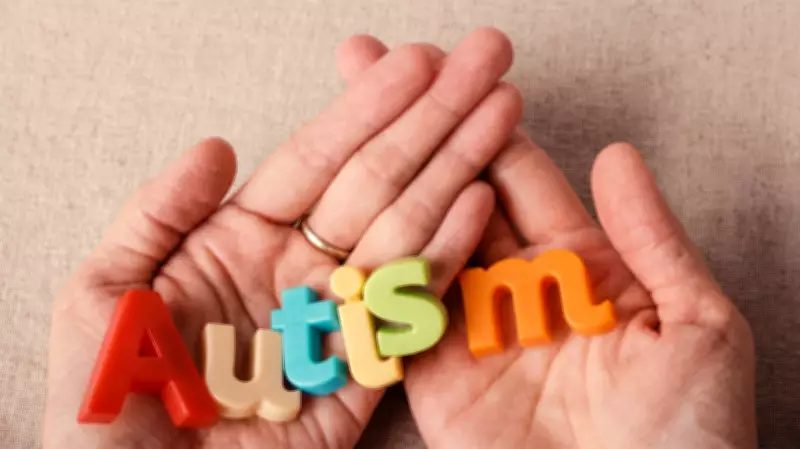
NIC 2026 seeks to bridge the gap between awareness and actionable solutions by adopting a broad, human-centred, and neuro-affirming approach to inclusion. This approach covers not only neurodiversity, such as Autism, ADHD, and Dyslexia, but also physical, sensory, and speech-related disabilities, reflecting a commitment to universal inclusion and the removal of all barriers to learning.
Strategic Tracks and Programme Highlights
The conference will feature seven strategic tracks designed to address key areas of inclusive education:
- Understanding learning differences
- Inclusive classroom practice
- Assessment and progression
- Leadership and whole-school inclusion
- Parent and partnership engagement
- Policy and national impact
- Resources for learners
The programme will include expert-led sessions, practical workshops, stakeholder dialogues, and case-based learning, all aimed at equipping schools and education systems with implementable inclusive strategies. It will also highlight success stories of neurodivergent individuals in Nigeria, promote low-cost inclusive learning tools, and encourage collaboration among families, educators, and policymakers.
Shifting National Conversations and Vision
A key focus of NIC 2026 is shifting the national conversation from stigma to understanding and from awareness to structured action. The conference will also create space for parents and adults who may be identifying neurodivergent traits in themselves later in life. According to Convener Angelina Ikeako, NIC 2026 represents a turning point in how Nigeria approaches inclusion in education.
"NIC 2026 is not just a conference; it is a national call to action. We are creating a space where inclusion is not theoretical, but practical, human-centred, and transformative. Every child deserves to be seen, supported, and given the tools to thrive, and this is the conversation we are bringing to the forefront," Ikeako stated.
Organizers describe NIC 2026 as more than an event, positioning it as a national movement aimed at reshaping education systems and ensuring that every learner, regardless of ability or background, is supported to reach their full potential. Registration for the conference is now open, marking a significant step toward systemic change in teaching, learning, and education policy in Nigeria.