The Federal Government has announced a comprehensive plan to reposition the education sector as a primary engine for economic growth and national development.
Minister's Vision for Educational Transformation
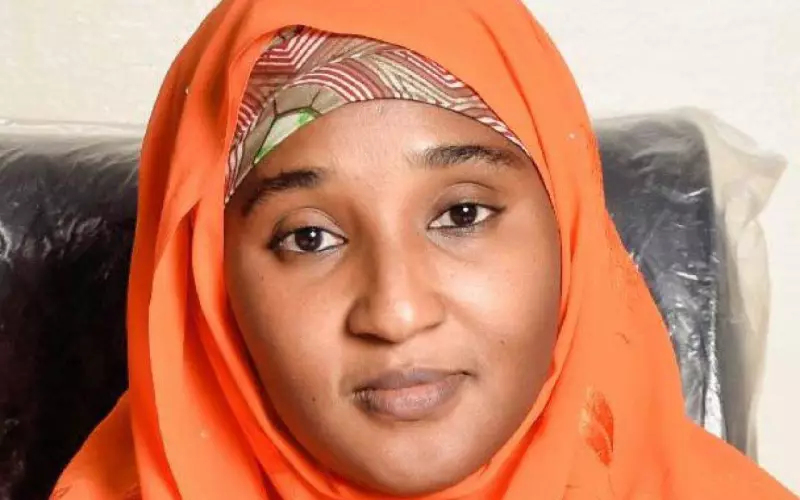
Speaking at the 2025 Annual General Meeting of Principals of Federal Unity Colleges in Lagos, the Minister of State for Education, Prof. Suwaiba Said Ahmad, declared that her ministry is implementing concerted efforts to transform education into a crucial driver of Nigeria's prosperity.
The minister, who was represented by the Director of Senior Secondary Education, Hajiya Binta Abdulkadiri, emphasized that the government is committed to delivering effective and equitable education that would contribute to building a strong, democratic, and sovereign nation.
She described the meeting's theme, "Education for Renewed Hope: Repositioning Secondary Education for Economic Empowerment and National Development," as both timely and strategic, highlighting the essential connection between quality education and national progress.
Key Reform Areas and Curriculum Overhaul
The minister outlined three critical areas of focus for the education reform agenda:
- Curriculum development to meet modern demands
- Teacher professionalisation to enhance quality
- Digital transformation to align with global standards
These reforms aim to revitalize Nigeria's education system and prepare students for a knowledge-driven economy, according to the minister's statement delivered on November 10, 2025.
In a significant development, the Permanent Secretary of the Federal Ministry of Education, Mr. Abel Olumuyiwa Enitan, revealed that the ministry has initiated a major curriculum overhaul dubbed "Light load, stronger minds."
This reform, he explained, will reduce subject overload while focusing on core competencies and expanding practical, vocational, and digital learning pathways. The goal is to ensure learners graduate with both knowledge and usable skills that connect directly to empowerment opportunities.
Addressing Funding and Teacher Shortages
Despite the ambitious plans, the Senior Secondary Education Commission representative from Abuja, Dr. Iyela Ajayi, raised serious concerns about education funding in Nigeria.
He acknowledged the increased budget allocation by the present administration but lamented that funding across all education levels remains far below the UNESCO benchmark of 15-25% of the total national budget.
Dr. Ajayi highlighted the negative implications of this funding gap, including inadequate infrastructure, insufficient teaching materials, and poorly equipped laboratories and workshops.
He also identified the shortage of qualified teachers as a major challenge affecting the education system, emphasizing that since all professions originate from teaching, this issue requires urgent attention.
The minister concluded by urging principals of Federal Unity Colleges to uphold the highest standards of discipline, integrity, and accountability, reminding them that they represent the Federal Ministry of Education in their respective states and institutions.