Social Media Erupts Over Alleged Meager Salary for Experienced Enugu Teacher
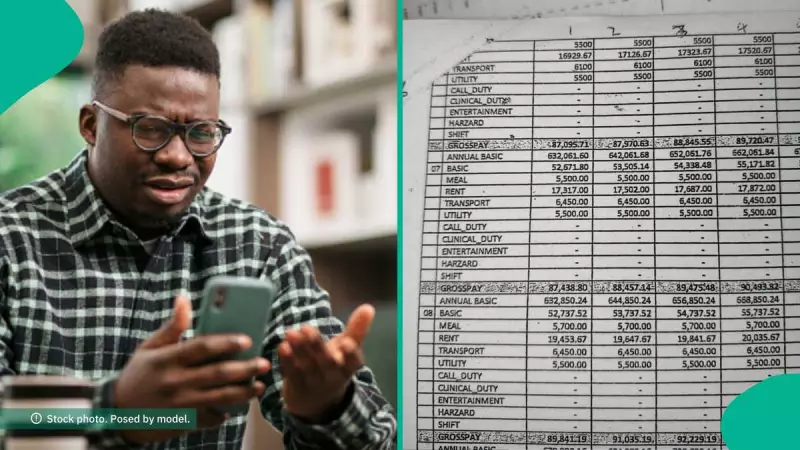
The Nigerian education sector has been thrown into turmoil following the revelation of what appears to be shockingly low remuneration for experienced teaching professionals. An alleged document detailing the monthly salary of a smart school teacher in Enugu State with twelve years of dedicated service has ignited widespread public outrage across social media platforms.
Educationist Exposes Alleged Salary Breakdown
Alex Onyia, the Chief Executive Officer of Educare and a prominent education advocate, took to the social media platform X to share what he described as evidence of systemic injustice within Nigeria's education system. The document he posted allegedly shows that a teacher with over a decade of experience receives a monthly payment of just N93,423, which converts to approximately $63 at current exchange rates.
"This is the salary of a smart School teacher in Enugu with 12 years teaching experience," Onyia wrote in his viral post. "Read it slowly: N93,423 monthly. This is pure wickedness." His characterization of the situation as deliberate mistreatment resonated deeply with thousands of Nigerians who have since joined the conversation.
Nigerians Express Disbelief and Anger
The revelation has triggered an avalanche of responses from citizens who expressed shock, disappointment, and frustration at what many perceive as the devaluation of Nigeria's teaching profession. Social media users highlighted the stark contrast between teacher salaries and the substantial remuneration packages enjoyed by political office holders across various levels of government.
One user, @frankie_cf, commented: "How can we ever progress when those shaping our children's future are paid crumbs? This isn't just neglect, it's a deliberate cycle of poverty imposed on teachers and, by extension, society. Governments should stop starving education and start valuing those who build its foundation."
Another respondent, @benedictoffor, questioned the authenticity of the figures while highlighting practical implications: "This can't be true? This is unbelievable. So if you get paid, you go buy 1 bag of rice, your salary will be gone. What are our legislators and executive arm of government doing to change this? The main reason for brain drain in our country. We can do better."
Broader Implications for Education Quality
Several commentators connected the alleged poor remuneration directly to challenges within Nigeria's education system. User @EmekaNwanonye observed: "That's why most public school teachers exhibit lack of seriousness in the discharge of their duties. Some focus more on petty trade while running to school late and leaving early than closing time to meet up with their side hustle that will guarantee them with sustainable income."
The conversation expanded to include concerns about younger teachers in private institutions, with @peculiarpat1 asking: "This is terrible! How exactly do people survive, please? If a teacher with 12 years of experience earns less than 100k, how much do the young ones teaching in small private schools earn?"
Historical Context and Proposed Solutions
This controversy emerges against a backdrop of ongoing debates about teacher welfare in Nigeria. Previously, education advocates have proposed substantial salary increases for teaching professionals, with some suggesting figures as high as N400,000 monthly. These proposals often include additional benefits such as vehicle provisions and higher qualification requirements, though they have received mixed reactions from various stakeholders.
The current outcry reflects deeper systemic issues within Nigeria's education funding and compensation structures. Many social media participants have called for immediate government intervention to address what they perceive as chronic underinvestment in the nation's educators, who play a crucial role in national development.
As the conversation continues to gain momentum, it highlights growing public awareness about compensation disparities and their impact on educational outcomes. The Enugu teacher salary revelation has become a focal point for broader discussions about resource allocation, professional valuation, and the future of Nigeria's education sector.