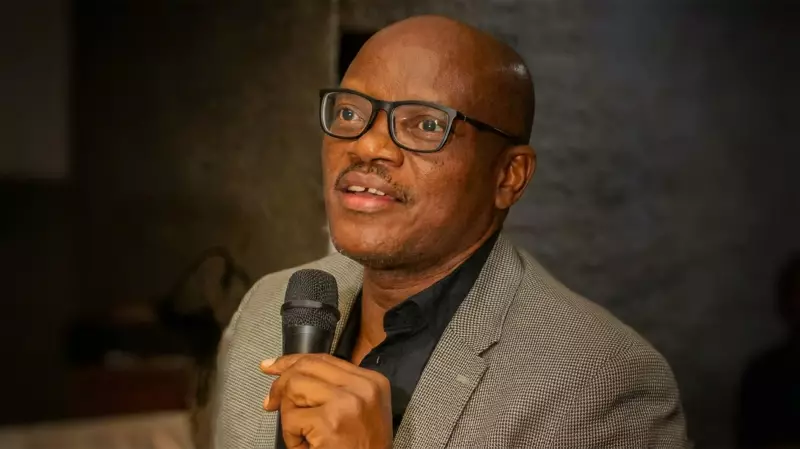
The Academic Staff Union of Universities (ASUU) has officially signed a renegotiated agreement with the Federal Government, ending a prolonged process that began in 2017. However, the union's president, Prof. Chris Piwuna, issued a stark warning that fundamental problems continue to threaten the core of Nigeria's higher education system.
A Long-Awaited Agreement Amidst Lingering Doubts
The signing ceremony for the 2025 renegotiated agreement took place on Wednesday, January 14, 2026. This event marked the conclusion of a review process for the previous pact from 2009, which had been stalled for years. Prof. Piwuna described the journey as frustrating, attributing delays to a "poverty of sincerity in the government."
He recounted that multiple government committees, led by figures like Wale Babalakin and Munzali Jibril, failed to reach a consensus between 2017 and 2022. Significant progress was only made after the inauguration of the Yayale Ahmed-led renegotiation committee in October 2024, which finalized the deal roughly 14 months later.
Piwuna praised Ahmed's determined leadership, revealing moments where the chairman nearly gave up, staking his personal integrity on the process. The new agreement focuses on critical areas including conditions of service, university funding, autonomy, and systemic reforms aimed at reversing decay and curbing brain drain.
Persistent Threats to University Governance and Standards
Despite the celebratory milestone, the ASUU president voiced serious concerns. He emphasized that university autonomy remains weak in practice, despite being recognized in principle. Piwuna accused both federal and state authorities of routinely undermining governance.
"There have been instances where governing councils' recommendations were rejected by the Visitor or ministry, preferred candidates were imposed," he stated, arguing that such interference erodes meritocracy and fuels internal crises. He also criticized the growing trend of appointing acting vice-chancellors, which weakens institutional stability.
Piwuna further criticized the conversion of federal colleges of education into universities without adequate reforms. He warned that the rapid promotion of chief lecturers to professors without due process severely threatens academic standards. "Chief lecturers and professors are never equivalent," he stressed, highlighting the need for proper criteria like research output and external assessment.
The Crisis in Research Funding and Financial Accountability
Turning to research, Piwuna lamented that chronic underfunding has reduced Nigerian universities to "mere teaching institutions." He welcomed the inclusion of research and development funding in the new agreement, which proposes forwarding a National Research Council Bill to the National Assembly. The bill advocates dedicating at least one per cent of Nigeria's GDP to research and innovation.
The union leader also raised alarms about financial mismanagement within universities. He alleged a growing "consultancy syndrome" where funds are siphoned through consultants, and politicised governing councils fail in their oversight role. "Our universities are now run by consultants. It has become a clean way of 'cleansing' funds fought for by our union," he claimed.
Piwuna expanded his critique beyond campuses, painting a grim picture of Nigeria's economy. He linked fuel price hikes, currency devaluation, and subsidy removal to the severe devaluation of citizens' lives and purchasing power. He stated that insecurity, a collapsing health sector, and graduate unemployment are closing education as a pathway out of poverty for many Nigerians.
Expressing cautious optimism, the ASUU president concluded by stating the union remains wary of the government's commitment to full implementation, given past failures. "We are optimistic that the agreement will be implemented in totality... but there still exists that pessimistic side," he said, hoping the union would not need to resort to strike action to enforce compliance.