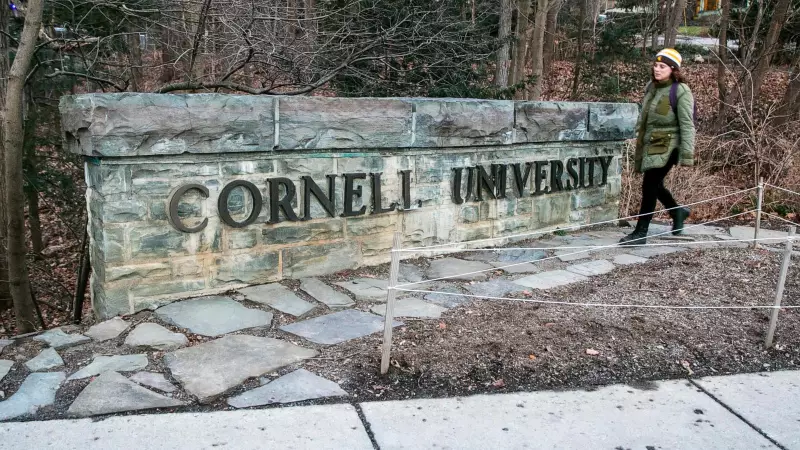
In a significant resolution to a high-stakes conflict, Cornell University has finalized a deal with the former Trump administration, agreeing to pay $60 million to restore access to a quarter of a billion dollars in federal funding.
The Conflict and Its Impact
The dispute originated when President Donald Trump targeted prestigious institutions like Cornell, accusing them of liberal bias and failing to adequately address antisemitism on campus. This led to the administration launching civil rights investigations against the university and others, alleging they did not protect Jewish and Israeli students from discrimination during protests related to Israel's war in Gaza.
As a direct consequence, Cornell faced severe financial disruptions, including stop-work orders, terminated grants, and frozen funds. The total value of these interrupted grants and contracts was a staggering $250 million, threatening major research projects and university operations.
Terms of the $60 Million Settlement
Under the newly agreed terms, Cornell University will make a financial commitment of $60 million over three years. This sum is divided into two key parts. The first $30 million will be invested in research programs specifically aimed at strengthening the United States' agricultural sector. The second $30 million will be paid directly to the government.
A crucial outcome of this agreement is the termination of the civil rights probe against the Ivy League school. University officials were quick to emphasize that the settlement is "not an admission of wrongdoing."
University Leadership Responds
Cornell University president, Michael Kotlikoff, welcomed the resolution. He stated that the agreement acknowledges the government's role in enforcing anti-discrimination laws while simultaneously protecting the university's academic freedom and independence.
He further added that this resolution enables the institution to "return to our teaching and research in restored partnership with federal agencies." Importantly, the final deal explicitly permits Cornell to continue making all admissions and hiring decisions based solely on merit, a point of contention during the initial stages of the dispute.
This settlement concludes a major chapter of tension between the federal government and a leading academic institution, allowing Cornell to move forward with its core mission of education and innovation.