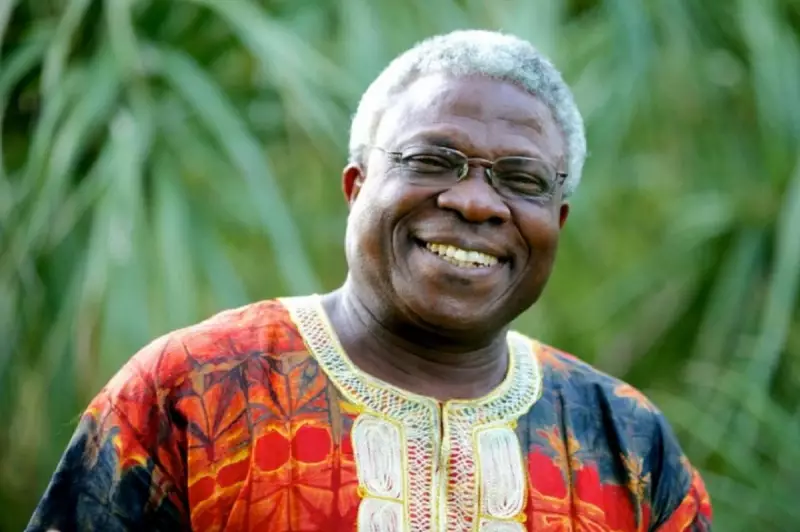
The Nigerian academic community is buzzing with reactions following Professor Niyi Osundare's recent critical assessment of the country's university system. Readers from across the nation have poured out their thoughts, creating a vibrant discourse about the state of higher education in Africa's most populous nation.
A Nation Divided on Educational Quality
The conversation reveals a deeply divided perspective among Nigerians. While some readers passionately defended the quality of education in Nigerian universities, others echoed Osundare's concerns about declining standards and inadequate funding.
One reader from Lagos argued that "despite the challenges, Nigerian universities continue to produce world-class graduates who excel globally." This sentiment was shared by several commentators who pointed to the resilience of both students and faculty working under difficult conditions.
The Funding Crisis Takes Center Stage
A recurring theme in reader responses focused on the chronic underfunding of public universities. Many commentators highlighted how inadequate financial support has led to deteriorating infrastructure, poor staff welfare, and limited research opportunities.
"How can we expect world-class education when our lecturers go on strike every other year due to poor working conditions?" questioned a respondent from Ibadan. This frustration reflects the ongoing tensions between academic staff unions and the government over funding disputes.
Brain Drain and Its Consequences
Several readers expressed concern about the continuous exodus of talented academics to foreign institutions. The brain drain phenomenon was identified as a major threat to the sustainability of quality education in Nigeria.
A former university lecturer now based in the United States commented: "I left not because I wanted to, but because the system made it impossible to conduct meaningful research or provide for my family adequately."
Calls for Systemic Reform
Beyond identifying problems, many readers proposed concrete solutions. Suggestions ranged from increased government funding and public-private partnerships to curriculum reforms that better align with global standards and market needs.
The overwhelming consensus among respondents was that urgent, comprehensive reform is needed to restore Nigerian universities to their former glory and prepare them for future challenges.