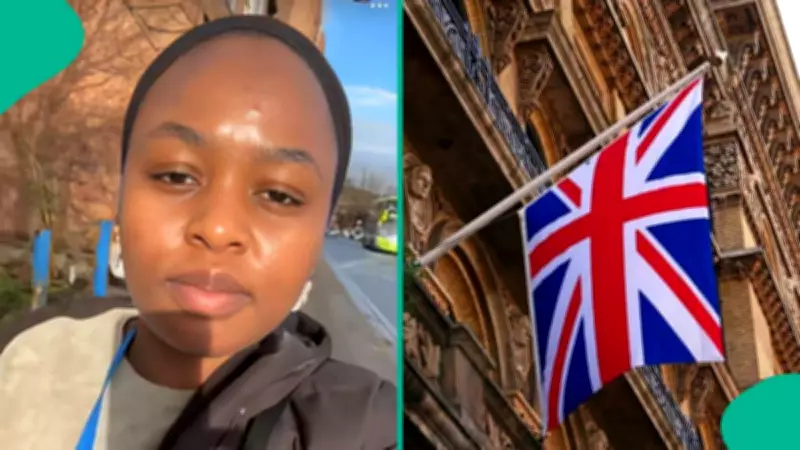
UK-Based Nigerian Woman Forced to Return Home After Visa Denials, Says 'Everything Fell Apart'
A Nigerian woman residing in the United Kingdom has publicly recounted her distressing experience of losing her employment and being compelled to return to Nigeria following a series of visa rejections. The woman, who identifies as @mz__beebarh on TikTok, detailed how her life unraveled shortly after giving birth in 2025, as her visa neared expiration and her job was terminated due to sponsorship issues.
Visa Extension Efforts and Rejections
According to her account, she applied for a visa extension twice, but both applications were swiftly denied. She expressed frustration, noting that while others waited months for responses, her rejections came within two weeks. "That is when everything started to fall apart," she stated in a video, emphasizing that her departure was not by choice but due to circumstances beyond her control.
Failed Sponsorship and Job Search Attempts
In a bid to remain in the UK, she paid for assistance to apply for jobs within the National Health Service (NHS), hoping to secure an employer who could sponsor her visa. However, these efforts yielded no results. She further disclosed paying £12,500 to a third party to arrange company sponsorship, but this too failed, coinciding with changes in immigration rules that left her with limited options.
"I really thought that was my breakthrough. But again, nothing came through. And then the immigration rules changed. That was when it really hit me that it's either I leave the country or I overstay," she explained, adding that childcare challenges compounded her difficulties.
Social Media Reactions and Broader Context
The video sparked varied reactions on social media, with some users offering alternative relocation advice, while others cautioned against discussing such matters publicly due to potential scrutiny from UK authorities. Comments highlighted concerns about Nigeria's socio-economic conditions and the broader struggles faced by Nigerians abroad.
This story echoes similar narratives within the Nigerian diaspora, where individuals grapple with visa issues and relocation setbacks. It underscores the complexities of immigration policies and the personal toll they can take on families and careers.