NUC Launches Sweeping Reforms to Curb Honorary Doctorate Misuse
In a decisive move to restore the sanctity of Nigerian academia, the National Universities Commission (NUC) has initiated a comprehensive regulatory crackdown on the rampant abuse of honorary doctorates. This action targets what critics have termed the "Honorary Doctorate Industrial Complex," a system where prestige is often traded for political favor or financial gain, undermining the core values of character and learning.
Investigation Uncovers Widespread Abuse
A recent NUC investigation revealed a disturbing landscape, identifying 32 entities operating as "honorary degree mills." These include unaccredited foreign universities, unlicensed local institutions, and professional bodies lacking degree-awarding authority, all exploiting public demand for titles. The commission's findings highlight a pervasive issue where convocation ceremonies have devolved into marketplaces, overshadowing the achievements of genuine graduates.
Key Provisions of the New Framework
To address this crisis, the NUC has introduced a 16-point regulatory framework aligned with the 2012 Keffi Declaration. This directive imposes strict controls, including:
- Only universities with established PhD programs may confer honorary degrees, limited to three recipients per ceremony.
- A total ban on serving public officials receiving such awards to prevent political patronage.
- Prohibition of self-nomination, curbing lobbying by wealthy individuals.
- The most contentious rule: recipients are barred from using the "Dr" prefix, which is reserved for earned academic or medical qualifications. Instead, they must use post-nominal designations like "Honoris Causa (h.c.)."
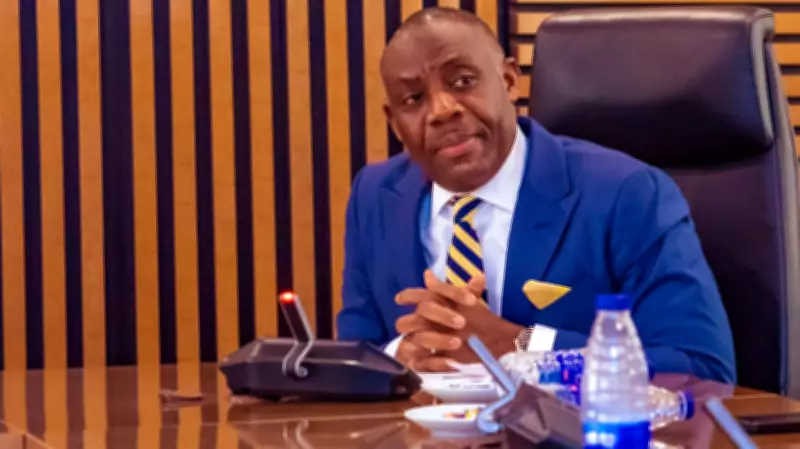
NUC Executive Secretary Prof. Abdullahi Ribadu emphasized that misuse of titles constitutes false representation, punishable under fraud laws, and undermines public trust in education.
Global Context and Local Precedents
Nigeria's reforms mirror stringent international standards. In Germany, unauthorized use of "Doctor" is a criminal offense, while the United Kingdom and United States maintain clear distinctions between honorary and earned titles. Ghana implemented similar bans in 2025 after uncovering fraudulent doctorate certificates. Historically, Nigerian figures like former Governor Babatunde Fashola have criticized the system, with Fashola rejecting 17 offers during his tenure to uphold merit-based awards.
Challenges and Stakeholder Reactions
Enforcement remains a critical hurdle, as past efforts like the Keffi Declaration were largely ignored. Universities facing funding shortages have sometimes used honorary degrees as fundraising tools, exacerbating the problem. Stakeholders express mixed reactions:
- Emeritus Professor Adetola Ademuwagun warned that trading academic integrity for donations "sells the soul" of institutions.
- Prof. Usman Adamu described indiscriminate awards as a "ticking time bomb" that devalues Nigerian degrees globally.
- Dr. Okon Inyang and Prof. Ike Nwosu stressed the need for merit-based awards to prevent academic malpractice.
- Student activist Emmanuel Ude called for universities to prioritize integrity over profit.
The NUC plans to collaborate with law enforcement for a nationwide clampdown, signaling a commitment beyond guidelines. However, skepticism persists about whether these measures can effectively curb abuse, especially with education funding at only 6.1% of the national budget, far below UNESCO benchmarks.
This regulatory offensive represents a pivotal effort to reclaim the honor in honorary degrees, ensuring they recognize genuine contributions rather than serve as commodities in a commercialized system.