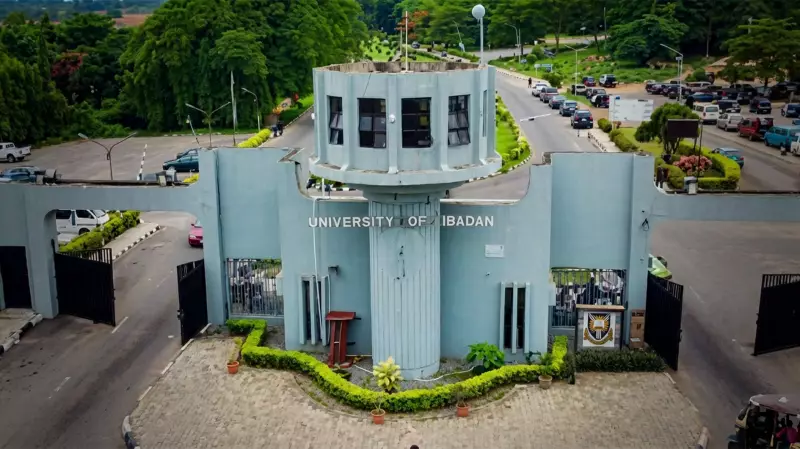
The University of Ibadan (UI) has once again solidified its reputation as Nigeria's premier tertiary institution, securing the top position among Nigerian universities in the recently published Times Higher Education (THE) World University Rankings for 2026. This achievement marks another year of leadership for the historic university, which continues to set the standard for academic excellence in the country.
UI's Consistent Dominance in Global Assessment
According to the comprehensive global evaluation, UI has been placed within the 801–1000 band worldwide, maintaining its status as the highest-ranked Nigerian university. This consistent performance underscores the institution's enduring commitment to academic quality and research innovation, factors that have contributed to its longstanding prominence in Nigeria's educational landscape.
Other Nigerian Universities in the Rankings
The 2026 rankings feature several other Nigerian institutions that have demonstrated notable performance on the global stage. The complete list includes:
- University of Lagos
- Bayero University Kano
- Covenant University
- Landmark University
- Ahmadu Bello University
- Federal University of Technology Minna
- University of Ilorin
- University of Jos
- University of Nigeria, Nsukka
This diverse representation highlights the growing presence of Nigerian higher education institutions in international academic assessments.
Understanding the Ranking Methodology
The Times Higher Education World University Rankings, developed in collaboration with global analytics firm Elsevier, represent one of the most respected and authoritative evaluations of university performance worldwide. The 2026 edition assessed an impressive 2,191 universities from 115 countries and territories, reflecting the increasingly competitive nature of global higher education.
Institutions were evaluated using a sophisticated methodology centered around five key performance indicators:
- Teaching – assessing the quality of the learning environment
- Research Environment – evaluating institutional research infrastructure
- Research Quality – measuring the impact and excellence of research output
- Industry Income and Innovation – examining knowledge transfer and commercial applications
- International Outlook – considering global engagement and diversity
Factors Behind UI's Strong Performance
Education analysts attribute UI's continued leadership position to several key strengths that have developed over decades. The university's robust research culture, experienced faculty members, and expanding international collaborations have all contributed significantly to its strong showing in the rankings. Particularly noteworthy is UI's performance in research quality and academic environment categories, which remain crucial determinants in global university assessments.
Historical Context and Future Prospects
Founded in 1948, the University of Ibadan has historically served as a trailblazer for higher education in Nigeria, producing generations of distinguished scholars, professionals, and leaders across various sectors. While Nigerian universities continue to face representation challenges at the highest tiers of global rankings, UI's consistent leadership reflects incremental progress within the country's higher education system.
Education stakeholders frequently identify several persistent challenges affecting Nigerian universities' global competitiveness, including:
- Funding constraints and resource limitations
- Infrastructure deficits affecting teaching and research facilities
- Brain drain of academic talent to international institutions
Despite these challenges, education experts note that the presence of multiple Nigerian universities in the 2026 rankings signals growing international recognition of their contributions to teaching and research. Many analysts argue that with sustained investment, enhanced policy support, and strategic international partnerships, Nigerian institutions could significantly improve their global visibility and performance in future rankings.
The continued recognition of Nigerian universities in prestigious global assessments like the Times Higher Education rankings serves as both an acknowledgment of current achievements and a catalyst for further development in the country's higher education sector.