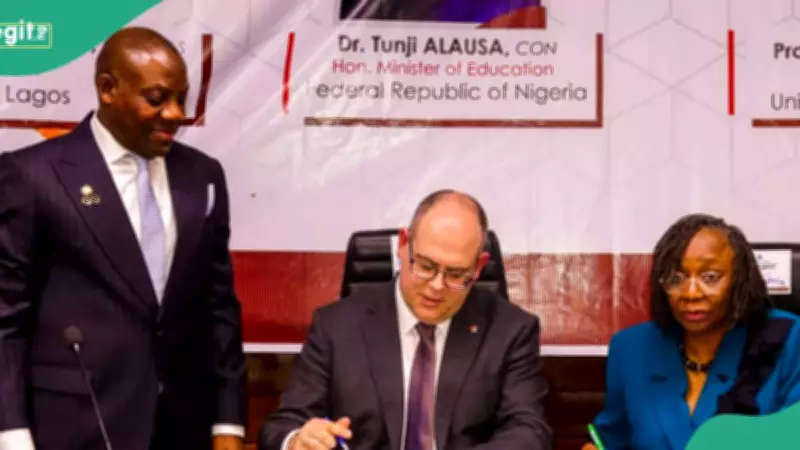
The University of Lagos has entered into a groundbreaking partnership with the University of Birmingham in the United Kingdom, paving the way for Nigerian students to earn internationally recognized UK degrees without leaving the country. This landmark collaboration, formalized through a Memorandum of Understanding signed on January 29, 2026, is set to commence academic delivery in 2027, marking a significant advancement in Nigeria's higher education landscape.
Establishing a Transnational Education Unit at UNILAG
Under this strategic agreement, a dedicated Transnational Education Unit will be established at the University of Lagos campus. This innovative unit will host and deliver University of Birmingham validated programs across multiple disciplines, creating unprecedented opportunities for Nigerian learners. The partnership represents a major step forward in making world-class education more accessible within Nigeria's borders.
Program Areas and Academic Focus
The proposed programs span cutting-edge fields that align with both global trends and Nigeria's development priorities. Key areas under consideration include:
- Applied Intelligence and Artificial Intelligence
- Digital Communications and Media Studies
- Health Sciences and Medical Research
- Engineering and Technology Development
These disciplines have been carefully selected to equip graduates with skills that are highly relevant to contemporary workplace demands and economic growth sectors.
High-Level Support and Government Endorsement
The MoU signing ceremony at UNILAG's Senate Chamber witnessed participation from prominent stakeholders, including Nigeria's Minister of Education Dr. Tunji Alausa, UK Deputy High Commissioner to Nigeria Jonny Baxter, and National Universities Commission Executive Secretary Prof. Abdullahi Ribadu. This high-level attendance underscores the importance both governments place on this educational initiative.
Federal Government's Vision for Global Education
Minister Alausa emphasized that this transnational education model aligns perfectly with the Federal Government's strategy to prepare Nigerian graduates for global relevance while addressing national development needs. He highlighted how such partnerships create platforms for expanding access to internationally recognized qualifications and foster research collaborations in critical areas like renewable energy, healthcare, and artificial intelligence.
The minister noted that this approach enables Nigerian students to access world-class programs domestically while simultaneously supporting faculty development and strengthening research capabilities within Nigerian institutions.
Institutional Perspectives and Long-Term Vision
UNILAG Vice-Chancellor Prof. Folasade Ogunsola explained that this collaboration reflects the university's commitment to equitable global partnerships and responds to growing demand for internationally competitive education. She revealed that UNILAG and Birmingham have already collaborated for a decade in specific areas, and this new agreement expands their partnership to broader programs that better serve Nigeria's development objectives.
Strengthening Academic Excellence
Prof. Ogunsola emphasized that the partnership will significantly enhance curriculum renewal, global visibility, and research capacity in priority fields. The University of Birmingham's Provost, Prof. Nick Vaughan-Williams, added that Birmingham selected UNILAG based on shared values and a common vision for global relevance, with both institutions committed to equipping graduates with future-ready skills.
Broader Implications for Nigerian Education
UK Deputy High Commissioner Jonny Baxter highlighted how this partnership broadens access to British education for Nigerian students who might otherwise face admission challenges due to capacity limitations. NUC Executive Secretary Prof. Ribadu pointed to opportunities for joint research initiatives, academic staff exchanges, student mobility programs, and enhanced knowledge sharing between the institutions.
Retaining Academic Talent and Enhancing Quality
The Tertiary Education Trust Fund noted that such initiatives help retain academic talent within Nigeria while ensuring continued access to quality international degrees. This transnational education model is expected to improve curriculum quality, skills acquisition, graduate employability, and international exposure for learners across Nigeria.
The first cohort of students is anticipated to commence studies in 2027, marking the beginning of a new era in Nigeria-UK educational collaboration that promises to transform higher education opportunities for Nigerian students while strengthening institutional capacities and research partnerships between the two nations.