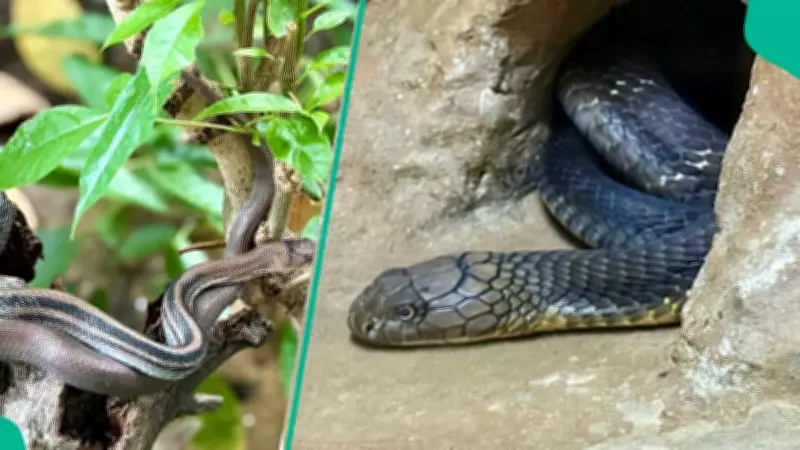
University Turns to Traditional Snake Charmers Following Tragic Student Death
Umaru Musa Yar'Adua University in Katsina State has found itself at the center of intense public scrutiny following the tragic death of a final-year student from a snake bite on campus. The incident has sparked widespread concern about safety standards in Nigerian higher education institutions and raised questions about appropriate responses to environmental hazards.
Student's Untimely Death Sparks Campus Mourning
The university community was plunged into mourning when Zainab Umar, a final-year economics student, succumbed to a snake bite that occurred on campus premises last week. The shocking incident sent ripples of grief throughout the academic environment, with students describing the atmosphere as devastating and unexpected. Many expressed deep concern about the safety of student accommodations and surrounding areas, highlighting what they perceive as inadequate protection against wildlife threats.
University's Unconventional Response to Crisis
In response to the tragedy, university authorities made the controversial decision to hire traditional snake charmers to address the snake threat on campus. The Dean of Student Affairs, Suleiman Kankara, confirmed this approach, explaining that the institution has previously relied on similar traditional methods when snake sightings were reported. We have engaged snake charmers in the past whenever there were reports of snakes on campus, and we have done so again to ensure the safety of students, Kankara stated, defending the university's unconventional safety measure.
Medical Treatment Controversy Emerges
Further complicating the tragic incident, university officials revealed that the deceased student was removed from the campus clinic against medical advice. According to Kankara, Zainab Umar initially received treatment at the university medical facility before being taken away by friends and family members. Against medical advice, she was taken away from the clinic where she was receiving treatment, he explained, noting that this action significantly complicated emergency medical efforts. University representatives have declined to speculate further on the circumstances surrounding her death, emphasizing their focus on preventing similar incidents in the future.
Traditional Practice Meets Modern Campus Safety
The university's decision to employ snake charmers has ignited a broader debate about the appropriate balance between traditional methods and modern safety solutions in academic environments. While snake charming remains relatively common in northern Nigeria as both entertainment and traditional snake management, its application in a university setting has raised eyebrows among safety advocates and educational stakeholders.
Traditional snake charmers typically use flutes and other instruments to which snakes appear responsive, often handling venomous species like cobras with bare hands during public performances. Local practitioners are believed to possess specialized knowledge and traditional medicines that they market during their demonstrations.
Calls for Comprehensive Safety Reforms
The tragic incident has prompted renewed calls for more comprehensive safety measures across Nigerian tertiary institutions. Student representatives have acknowledged the university's prompt response while advocating for more robust, modern approaches to campus security. While the university acted quickly, we hope stronger measures will be taken to ensure hostels and surroundings are properly secured, stated a student union representative, reflecting widespread concern about environmental hazards in academic settings.
This incident follows another recent snake-related tragedy in Nigeria, where a rising Abuja-based musician died from a snake bite at her residence, further highlighting the persistent threat posed by venomous snakes in various environments across the country.
Looking Forward: Safety in Academic Spaces
As investigations into the circumstances surrounding Zainab Umar's death continue, the incident serves as a painful reminder of the urgent need for enhanced safety protocols in Nigerian universities. The debate now centers on finding effective solutions that combine traditional knowledge with modern environmental management and medical preparedness to protect students and staff from similar tragedies in the future.