The University of Nigeria, Nsukka (UNN), once one of Africa's great institutions, is grappling with a profound decline that threatens its legacy. The deterioration, captured in viral videos of overflowing toilets, collapsing ceilings, and maggot-infested hostels, has sparked grief and calls for urgent restoration. Founded by Dr. Nnamdi Azikiwe with the motto "To Restore the Dignity of Man," UNN now faces an institutional crisis that goes beyond crumbling infrastructure.
Infrastructural Decay and Academic Decline
Recent videos from student hostels, particularly the iconic Eni Njoku Hostel, show students living in squalor with broken plumbing, filthy bathrooms, and outdoor cooking. One news outlet described the conditions as "repulsive." The rot extends to academics: UNN's own Quality Assurance Strategic Plan identifies declining academic standards as a principal threat, citing weak graduate programmes, inadequate staffing, unstable academic calendars, poor teaching and learning conditions, limited staff development, weak research support, poor digital readiness, brain drain, and administrative inefficiency.
A Personal Connection to the Fall
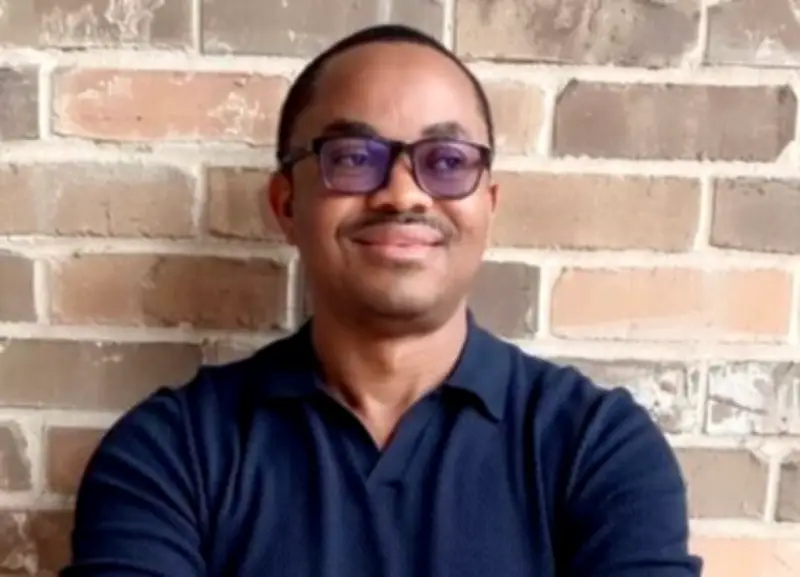
For many, UNN is more than a university. After the Nigerian Civil War, it restored the intellectual confidence of the Igbo people. It attracted scholars like Chinua Achebe and nurtured Chimamanda Adichie. The Margaret Ekpo Refectory, once an intellectual marketplace where students debated politics, philosophy, and literature, now stands as a symbol of lost glory. The author, a medical doctor and cultural Nsukka man, expressed grief akin to "standing before the ruins of his father's house."
Shared Responsibility and Governance Failures
While successive federal governments underfunded public universities, the article argues that Vice Chancellors, Governing Councils, contractors, students, and alumni all share blame. "Too many people treated UNN as an inheritance to be exploited, rather than a legacy to be preserved," it states. The university itself acknowledges governance failure, weak resource management, and ineffective stewardship.
The alumni network, one of the strongest on the continent, includes globally respected academics, writers, captains of industry, and billionaire entrepreneurs. Properly mobilized, they can transform UNN. The first priority should be safeguarding leadership integrity: "The office of Vice Chancellor must never again become the reward for political patronage."
Broader Implications for Igbo Institutions
The article contrasts UNTH (University of Nigeria Teaching Hospital) with LUTH (Lagos University Teaching Hospital), where a patient received better care despite similar federal funding. It also recounts a story of a politician demanding a kickback for an apheresis machine procurement, leading to its loss — illustrating a culture of exploitation rather than stewardship. "We build magnificent private mansions while our public institutions decay," the author laments.
Cautious Optimism Under New Leadership
Current Vice Chancellor Professor Simon Ortuanya has begun rehabilitating roads, reopening facilities, planning hostel renovations, and expanding accommodation. A TETFund-sponsored Research Laboratory and Demonstration Farm has been handed over to Afri-Fruits Limited, promising to boost agricultural research and food security. Given Nsukka's fertile land, UNN could become a national centre of excellence in agricultural science.
"The University of Nigeria remains one of Africa’s great institutions. Its decline was neither inevitable nor irreversible," the author concludes. Restoration will require honesty, sacrifice, accountability, and collective ownership — a generational challenge to restore the dignity of the institution itself.