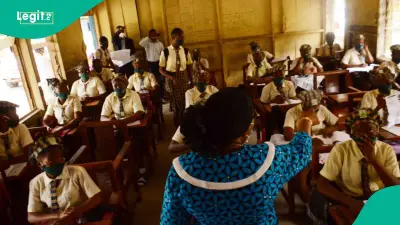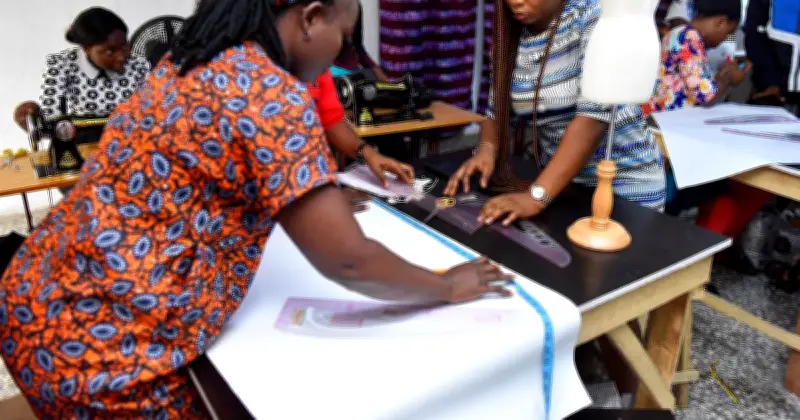
The Federal Government has officially launched a nationwide vocational skills training programme for more than 18,000 unemployed Nigerians and artisans, aiming to reduce poverty and promote self-employment. The training, which begins on Tuesday, will take place at 229 accredited centres across all 36 states and the Federal Capital Territory (FCT).
Programme details and implementation
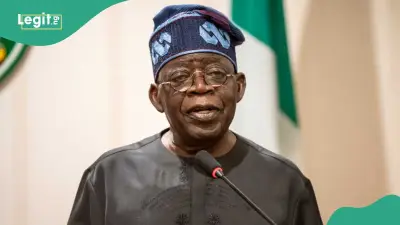
The initiative is being implemented by the National Social Investment Programme Agency (NSIPA) under the Federal Ministry of Humanitarian Affairs and Poverty Reduction. Speaking during the launch in Abuja on Monday, the Minister of Humanitarian Affairs and Poverty Reduction, Dr Bernard Doro, said the programme aligns with President Bola Tinubu's Renewed Hope Agenda, which seeks to help vulnerable Nigerians achieve financial independence rather than relying on government support.
“One of the key reasons why we are doing this flag-off is to ensure that over 18,000 Nigerians are empowered through skill acquisition so that they can get into that pathway from vulnerability to self-sustainability,” the minister said.
Target beneficiaries and training approach
According to Dr Doro, the programme is not for complete beginners. Beneficiaries already possess some basic vocational knowledge but require additional training and the right tools to become more productive and start earning. “The beneficiaries are people who have acquired some sort of soft skills already. They will be up-skilled and then given tools so that they can begin to trade with them,” he explained.
The training will run for two weeks and includes both practical lessons and entrepreneurship training covering business management, financial literacy, digital literacy, customer relations, and business sustainability.
List of vocational trades
NSIPA's National Coordinator and Chief Executive Officer, Badamasi Lawal, announced that participants will be trained in 14 different vocational trades:
- Fashion design
- Agriculture
- Automobile technology
- Electrical installation
- Plumbing
- Welding
- Carpentry
- Baking and confectionery
- Catering
- Masonry
- Hospitality
- Jewellery making
- Grinding machine operations
- Vulcanising
Lawal added: “Successful participants will receive trade-specific starter packs to facilitate immediate business start-up.”
Selection process and digital tracking
Beneficiaries were selected through a process involving the National Assembly, state governments, traditional rulers, religious leaders, youth and women groups, community associations, and organisations representing persons with disabilities. Priority was given to unemployed youths, women, and economically vulnerable Nigerians.
To prevent abuse, Lawal warned beneficiaries not to sell the equipment. Every starter pack distributed will be digitally tracked, allowing the government to monitor both the tools and their beneficiaries after the training.
Utilisation of unused equipment
Lawal revealed that thousands of vocational starter packs had been sitting unused in government warehouses for years due to administrative delays, with many deteriorating and warehouse costs rising. “Rather than allowing these public assets to depreciate, the Federal Government approved their refurbishment, deployment and distribution to qualified beneficiaries after practical skills training,” he said.
The initiative is part of the Federal Government's broader efforts to reduce unemployment, promote entrepreneurship, and support small businesses by equipping Nigerians with practical skills and the tools needed to earn a living.