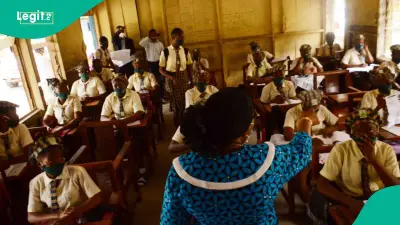
The Osun State Government has taken a significant step towards environmental sustainability and economic empowerment by training over one thousand young people and women in the practical conversion of everyday waste into usable energy.
Empowering Communities Through Practical Skills
The hands-on workshop, held in Osogbo on Friday, December 19, 2025, was themed “Power from Plenty: Turning Local Waste into Clean Energy for Osun Communities.” It was organized by the Office of the Director-General and Special Envoy of the Governor on Climate Change and Renewable Energy.
Participants had access to various types of waste, machines, and equipment to gain firsthand experience. Professor Chinwe Obuaku-Igwe, the Director-General and Special Envoy, emphasized that the program reframes climate action as a tool for livelihood, dignity, and community development, not merely an environmental policy.
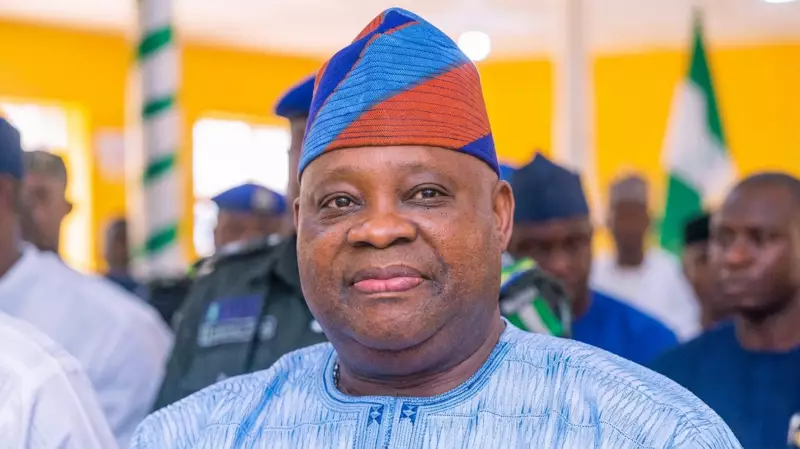
“Waste is not just a problem; it is an economic and energy opportunity,” she stated, highlighting the state's investment in practical skills and green jobs. She noted that youth and women are central to Osun's clean energy and climate future, aligning with Governor Ademola Adeleke's people-centred development vision.
Why Focus on Youth and Women?
Explaining the focus on these demographics, Professor Obuaku-Igwe pointed out that while youth and women are often the most vulnerable in society, they also bring unique capacities to the value chain. “They are the ones most affected by climate change and the ones who will bring innovative ideas and fresh solutions,” she said.
The training is the second batch of an inaugural program that began in August. The first focused on waste-to-wealth, while this edition concentrated on waste-to-energy. The overarching goal is to foster green entrepreneurship and shift mindsets from a linear economy to a circular one.
“The goal is to make them understand that waste is a resource,” Obuaku-Igwe added. “It is an opportunity not just to keep the environment clean or improve their well-being but also to generate income.”
From Plastics to Power: A Practical Solution
Taiwo Adewole, co-founder of Wastes-Swap, who facilitated the technical training, explained the process in detail. Trainees learned to convert materials like plastics, nylons, used tyres, and even animal waste into gas, diesel, and fertilizer.
“We already have a car that runs on diesel produced this way. It is cheaper and cleaner,” Adewole revealed. He described the process as straightforward: collect nylons, feed them into a locally manufactured machine, and produce fuel.
This initiative tackles multiple challenges at once: cleaning the environment, providing raw materials, and creating employment. Adewole expressed optimism about the future impact, stating, “A time will come when it will be very hard to see any nylon on the floor because they have been converting it into energy to fetch them money.”
By equipping a thousand residents with these transformative skills, Osun State is not only addressing waste management but is actively building a foundation for a sustainable, green economy driven by its most dynamic populations.