Social Media Erupts Over Peller's Law School Admission and Academic Credentials
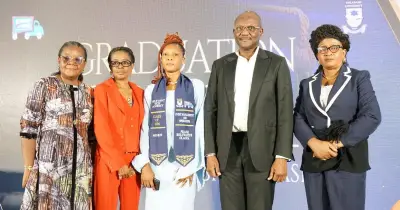
The Nigerian social media landscape has been set ablaze with controversy following the announcement that popular TikTok sensation Habeeb Hamzat, widely known as Peller, has gained admission to study Law at a private university in Lagos. This development has ignited a fierce debate about academic standards, admission processes, and the scrutiny of public figures' educational qualifications.
WAEC Results Under Microscope Spark National Conversation
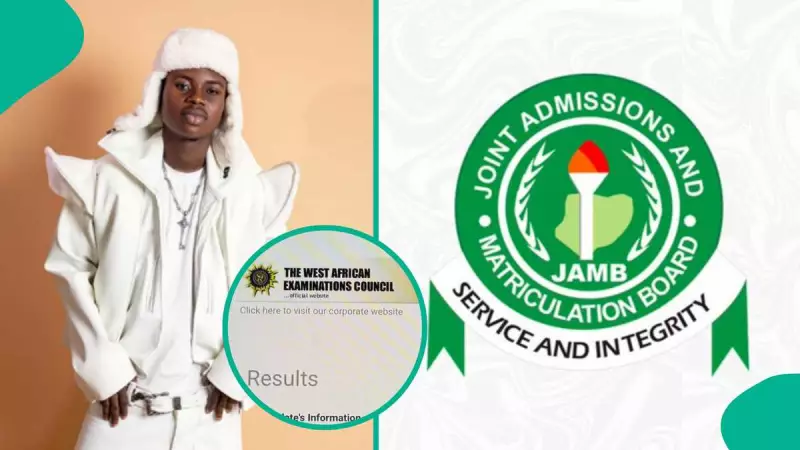
The controversy began when Peller shared his 2023 West African Examinations Council (WAEC) results online in response to critics questioning his educational background. His certificate showed credits in subjects including English and Marketing, but revealed a D7 grade in Government and a cancelled result for Literature in English. These academic marks immediately raised questions about his eligibility for Law studies, with many Nigerians expressing concern over whether he meets the minimum requirements for such a competitive program.
Social media platforms quickly became battlegrounds for discussions about educational equity and institutional integrity. Numerous commentators have called upon the Joint Admissions and Matriculation Board (JAMB) to clarify admission protocols, while others have demanded transparency from the unnamed private university regarding their selection criteria. The intensity of the debate reflects broader societal concerns about educational access and meritocracy in Nigeria's higher education system.
Public Reactions Highlight Systemic Concerns
The Nigerian public has responded with a mixture of skepticism, frustration, and support. Many social media users have questioned the timing and validity of Peller's JAMB examination, with some demanding he share his Unified Tertiary Matriculation Examination (UTME) results for public verification. Critics argue that his admission might disadvantage more academically qualified candidates who have struggled to secure Law placements despite excellent examination scores.
Notable social media reactions include:- Treasure3y expressed concern about educational inequality, noting that many deserving students with high JAMB scores still struggle to gain admission
- Morris Monye called for investigation into the private university's admission processes
- Driplikewealth directly questioned JAMB about when Peller wrote and passed the required examination
- yk_milli highlighted the frustration of high-achieving students who cannot secure Law admissions
- onlypickable suggested financial influence might have played a role in the admission decision
Defense and Clarification from Supporters
Amid the criticism, fellow TikTok personality Jarvis has come to Peller's defense, clarifying important distinctions in educational terminology. She emphasized that while Peller did not pursue higher education immediately after secondary school, he is not uneducated as some have suggested. Jarvis pointed out that Peller completed his secondary education and holds a valid WAEC certificate, demonstrating he underwent formal schooling.
This defense highlights the nuanced difference between being uneducated and choosing not to pursue university education immediately. It also brings attention to the varied educational paths available to Nigerian youth and challenges assumptions about what constitutes proper education in contemporary society.
Broader Implications for Nigerian Education
The Peller controversy has exposed several critical issues within Nigeria's educational landscape. The debate touches on admission transparency, institutional accountability, and public perception of educational qualifications. Many observers see this incident as symptomatic of larger concerns about how admission decisions are made and whether established academic standards are being consistently applied across different educational institutions.
This situation has also prompted discussions about the evolving nature of education in the digital age, where social media influence and traditional academic achievement sometimes intersect in unexpected ways. As Nigeria continues to develop its educational infrastructure and policies, incidents like this serve as important case studies for evaluating admission processes and ensuring equitable access to higher education for all qualified candidates.
The ongoing conversation reflects deep-seated concerns about meritocracy, institutional integrity, and educational opportunity in Nigeria. As the debate continues to unfold across social media platforms and educational forums, it highlights the need for clear communication from educational authorities and transparent admission processes that maintain public confidence in Nigeria's higher education system.