The Nigerian House of Representatives has issued a strong directive to the Federal Ministry of Education, demanding an immediate suspension of a controversial curriculum review. This review led to the removal of several critical subjects from the West African Examinations Council (WAEC) portal, sparking a national outcry.
Motion of Urgent Public Importance
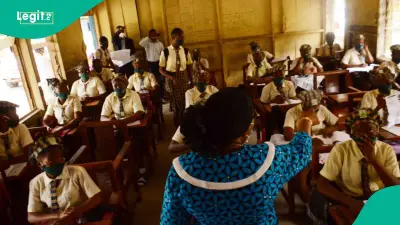
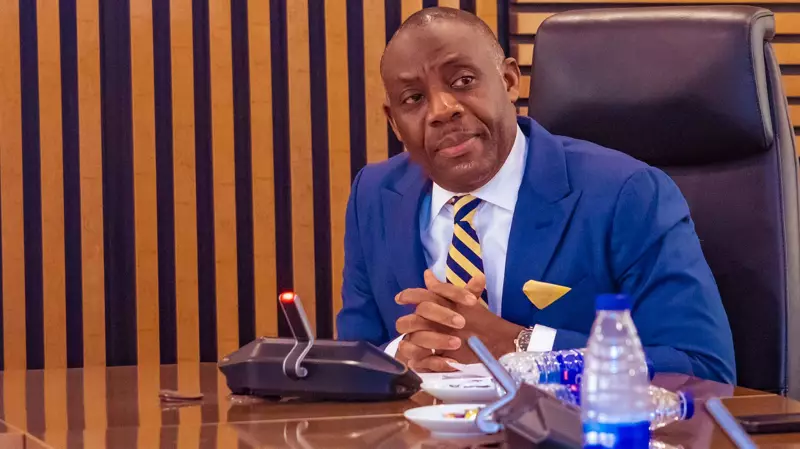
On Thursday, Honourable Oboku Oforji brought the issue to the floor, moving a motion classified as one of urgent public importance. He described the Federal Government's decision as both ill-timed and highly disruptive. The lawmaker emphasized that the sudden policy shift threatens the academic prospects of thousands of Nigerian students who are preparing for the 2026 West African Senior School Certificate Examination (WASSCE).
Oforji argued that while updating the curriculum is a necessary process, the abrupt withdrawal of high-demand subjects contradicts Nigeria's own goals. "At a time when the world is going digital, especially in the educational sector, and Nigeria is trying to catch up, you remove a fundamental subject like Computer Science," he stated. He highlighted the irony, noting that most examination bodies are now adopting Computer-Based Test (CBT) models, making digital literacy more essential than ever.
Core Subjects at Risk and Student Distress
The removed subjects identified in the motion include:
- Computer Studies
- Data Processing
- Electrical Installation and Maintenance
- Photography
- Civic Education
The lawmaker expressed particular concern over the removal of Civic Education, a subject mandatory in secondary schools for promoting citizenship and national orientation. His primary worry, however, focuses on the practical crisis facing students. He pointed out that SS3 students have been studying these subjects since SS1 and are now left confused and distressed with only four months until their exams.
"I’m worried the removal of three or more foundational subjects from the mandatory eight subjects limits students and breaches the minimum examination requirement of eight; they will now be left with only five subjects," Oforji explained. He stressed that it is academically impossible for these students to now select and adequately prepare for three new, unstudied subjects to meet WAEC's eight-subject minimum.
Constitutional Mandate and Parliamentary Resolution
Oforji framed the issue as a constitutional matter, invoking Section 18 (1) of the 1999 Constitution (as amended). This section obligates the government to ensure equal and adequate educational opportunities at all levels. He lamented that the academic futures and rights of thousands of students are being tampered with by this directive.
Following the debate, the House unanimously adopted the motion. The legislators resolved to:
- Urge the Federal Ministry of Education to rescind the policy immediately.
- Allow all students scheduled for the 2026 WASSCE to take the subjects they have been preparing for since SS1.
- Establish an ad hoc committee to ensure compliance with this directive, given the sensitivity and urgency of the matter.
The House's intervention underscores the deep anxiety within the Nigerian education sector regarding policy changes that are enacted without adequate stakeholder consultation or consideration for students already deep into their academic cycle.