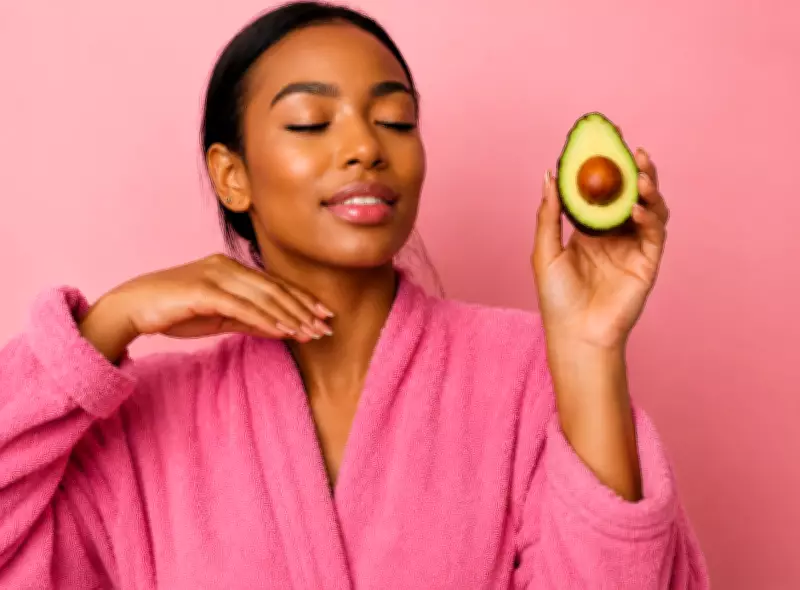
Genetics plays a major role in how fast your hair grows and how thick it becomes. No mask or oil can override your DNA. Still, the right products can help your hair reach its full potential. Growth depends on the scalp, but length retention depends on how well you protect the strands you already have.
Many people who want longer hair focus on growth alone. They try supplements, oils, and expensive treatments. Yet breakage cancels the progress. Dry, brittle ends snap off, leaving hair stuck at the same length. In that case, the goal shifts from growing faster to keeping more. An avocado hair mask sits in that category. It will not force your hair to grow overnight. What it can do is improve softness, reduce dryness, and make strands easier to manage.
What makes avocado useful?
Avocado contains monounsaturated fatty acids. These natural fats help coat the hair shaft and reduce moisture loss. When hair loses moisture, it becomes rough, dull, and prone to breakage. A coating layer helps smooth the cuticle and improve flexibility. The fruit also contains vitamin E, an antioxidant that supports scalp health by helping the skin fight oxidative stress. Although vitamin E does not directly grow hair, a healthy scalp creates a better environment for growth. Small amounts of biotin are present as well. Biotin appears in hair supplements because deficiencies can affect hair strength. However, topical biotin in a mask does not dramatically change hair structure. Claims suggesting otherwise exaggerate the science.
It is important to understand what hair is. Once strands leave the scalp, they consist of dead keratin cells. They cannot absorb nutrients in the same way living tissue does. A mask works by coating, softening, and temporarily improving texture. It does not rebuild split ends or permanently repair damage.
Does avocado moisturise hair?
The word "moisture" sometimes causes confusion. Water provides moisture. Oils and butters help seal it in. Avocado functions more as a sealing and softening agent than as a direct source of hydration. Applying the mask to damp hair makes more sense than applying it to dry strands. Water enters the hair shaft first. The avocado mixture then helps slow down evaporation. That process leaves hair feeling softer after rinsing.
Results depend on hair type. High-porosity hair absorbs and loses water quickly. This type often benefits from richer masks because it needs help holding onto moisture. Chemically treated (relaxed) hair, coloured, or heat-damaged hair also tends to respond well. Low-porosity hair reacts differently. The cuticle layer lies tightly packed, making it harder for moisture to enter. Heavy masks can sit on the surface and create build-up. In that case, hair may feel greasy rather than hydrated. Understanding your hair's behaviour matters more than following trends.
Realistic benefits
When used once a week, an avocado hair mask can:
- Improve softness
- Reduce frizz
- Add shine
- Make detangling easier
- Support a healthier-looking scalp
If you notice the pattern, these are surface-level improvements. They enhance appearance and manageability. They do not alter growth rate or permanently fix damage. Length retention comes from reduced breakage. Softer hair bends instead of snapping.
Who should be cautious?
People with oily scalps should avoid applying the mixture directly to the roots. Concentrate on mid-lengths and ends instead. Fine hair textures may also feel weighed down by heavy oils. Anyone with food sensitivities should perform a patch test. Apply a small amount behind the ear or on the inner arm. Wait 24 hours before full use.
How to make it at home
The recipe is simple.
Ingredients:
- One ripe avocado
- One tablespoon olive oil or coconut oil
- One tablespoon honey (optional)
Mash the avocado thoroughly until smooth. Lumps make rinsing frustrating, so take time to blend properly. Mix in the oil and honey. Start with clean, damp hair. Section it to ensure even distribution. Apply the mask from mid-length to ends. Use fingers or a wide-tooth comb to spread it evenly. Cover with a shower cap and leave it on for 20 to 30 minutes. Rinse with lukewarm water. Follow with a light shampoo if needed. Condition only if your hair still feels coated. Use once a week at most. Overuse can lead to build-up, especially for low-porosity or fine hair.
How to apply it
Divide your hair into sections. Using your fingers or a wide-tooth comb, apply the mixture from the mid-lengths of the hair down to the ends. The scalp does not usually need a heavy coating unless it is very dry. Massage gently. Rough handling can increase breakage, especially for fragile or chemically treated hair. Once applied, cover the hair with a shower cap or plastic wrap. Leave the mask on for 20 to 30 minutes. Longer duration does not necessarily improve results. Rinse thoroughly with lukewarm water. Ensure no avocado residue remains in your hair. If the hair still feels sticky or heavy, follow with a mild shampoo. Finish with a light conditioner if needed.
An avocado hair mask is a practical, affordable way to boost softness and manageability. Healthy hair requires patience and realistic expectations. Also, note that genetics is a very crucial determinant.