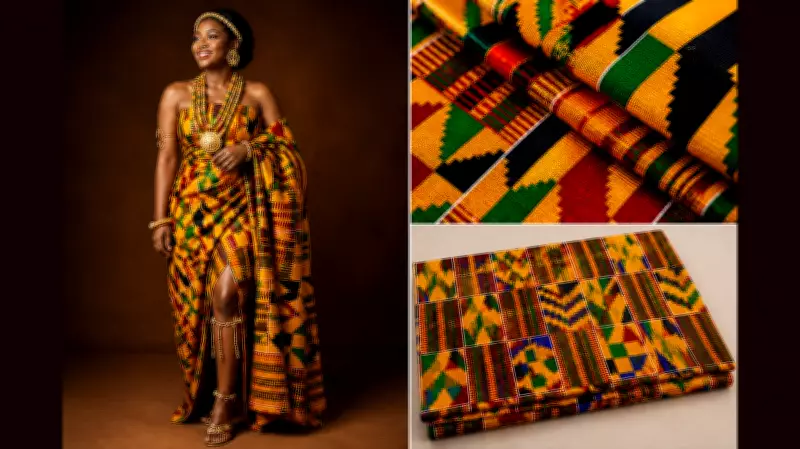
Africa's textile story is wide, rich and deeply rooted in identity. Some fabrics were born on the continent, others arrived through trade and history. But over time, African people shaped them, wore them and gave them meaning. Today, these fabrics are more than fashion. They carry culture, status and memory. Here are some of the textiles that continue to define African style.
Aso Oke
Aso Oke is a handwoven fabric from the Yoruba people of South-West Nigeria. It is closely tied to Oyo State, with Iseyin known as its main weaving centre. Thick, durable and richly textured, Aso Oke is often worn at weddings, chieftaincy events and important celebrations. It is not just clothing. It is pride, heritage and tradition woven into cloth.
Adire
Adire is a Yoruba fabric from South-West Nigeria, known for its patterns and cultural meaning. Made through a resist-dye process, it has grown from traditional wear into a modern fashion favourite, often worn at cultural events, casual outings and even formal occasions.
Kente
Kente cloth comes from Ghana, where it was developed by the Ashanti people in the 17th century. Traditionally woven in towns like Bonwire and Agotime Kpetoe, it was once reserved for royalty. Each colour and pattern carries meaning, from power and wealth to wisdom and unity. Today, Kente has moved beyond the palace into global fashion, while still holding its cultural weight.
Ankara
Ankara, often called African wax print, is one of the most recognised fabrics on the continent. Though its origins trace back to Indonesian batik and Dutch production, West Africans made it their own. Known for its colours and lively prints, Ankara is everywhere, from everyday wear to high fashion. It reflects personality, mood and creativity most expressively.
Bogolan
Bogolan, also known as mud cloth, comes from Mali. It is made using handwoven cotton, natural dyes and fermented mud. Its patterns are not random. They tell stories about identity, protection, social class and history. With its earthy tones and deep meaning, Bogolan has inspired both traditional wear and modern design.
Kikoi
Kikoi is a lightweight cotton fabric from the Swahili coast of East Africa. Recognised by its simple stripes, it is breathable and perfect for warm weather. Traditionally worn as a wrap, Kikoi has evolved into scarves, beachwear and casual fashion. It is simple, practical and quietly stylish.
Kanga
Kanga is more than fabric. It is a voice. Popular across East Africa, this colourful cotton cloth often carries printed Swahili messages. These could be proverbs, advice, humour or subtle social commentary. Women use Kanga not just to dress, but to communicate. It turns everyday clothing into something deeply personal and expressive.
Ndop
Ndop is an indigo-dyed fabric linked to the Bamileke people of Cameroon. Its deep blue base and white geometric patterns carry strong cultural meaning, often tied to royalty, power and spirituality. In the past, it was worn by kings and titled men. Today, it still holds that sense of authority and tradition.
Kampala
Kampala fabric stands out for its colours and patterns. Popular in Uganda, Tanzania and parts of Nigeria, it is known for its wax-dyed designs that feel both cultural and modern. Often compared to Adire, Kampala has its own bright, expressive identity. It is widely worn for weddings, festivals and special occasions, making it a favourite for people who want to stand out.