Political Cartoon Commentary on Nigeria's Socio-Economic Challenges
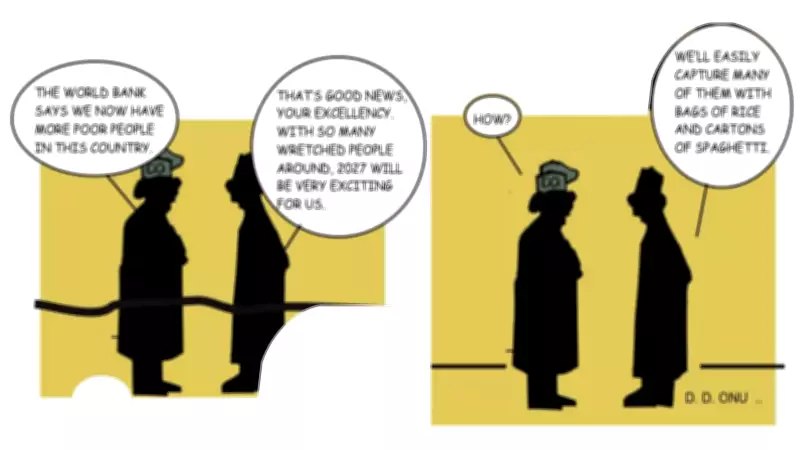
A recent political cartoon published in The Guardian Nigeria provides a sharp and insightful visual critique of the nation's ongoing socio-economic and political landscape. This artistic expression serves as a powerful medium to highlight pressing issues such as governance inefficiencies, corruption, and the widespread public discontent that has become increasingly prevalent in recent times.
Visual Satire and Its Impact
The cartoon employs symbolic imagery and exaggerated characters to convey complex messages in a digestible format, making it accessible to a broad audience. By using humor and irony, it underscores the disconnect between political promises and the harsh realities faced by ordinary citizens, including economic hardships, security concerns, and infrastructural deficits.
Such cartoons are not merely entertainment; they play a crucial role in fostering public discourse and holding leaders accountable. They reflect the collective sentiment of the populace, often amplifying voices that might otherwise go unheard in mainstream media. In Nigeria, where freedom of expression is a cherished yet sometimes contested right, political cartoons serve as a vital tool for social commentary and democratic engagement.
Broader Implications for Nigerian Society
This particular cartoon resonates with many Nigerians who are grappling with daily challenges, from inflation and unemployment to insecurity and political instability. It acts as a mirror to society, prompting reflection and, ideally, action from both the government and the citizenry. The use of satire in this context encourages critical thinking and can inspire civic participation, as people are reminded of their power to demand better governance and transparency.
Moreover, the cartoon contributes to the rich tradition of political art in Nigeria, which has historically been used to challenge authority and advocate for change. By blending creativity with activism, it reinforces the importance of artistic freedom in a healthy democracy. As Nigeria continues to navigate its socio-political evolution, such expressions remain essential for highlighting both progress and persistent issues, ensuring that public opinion remains a driving force in the nation's development.